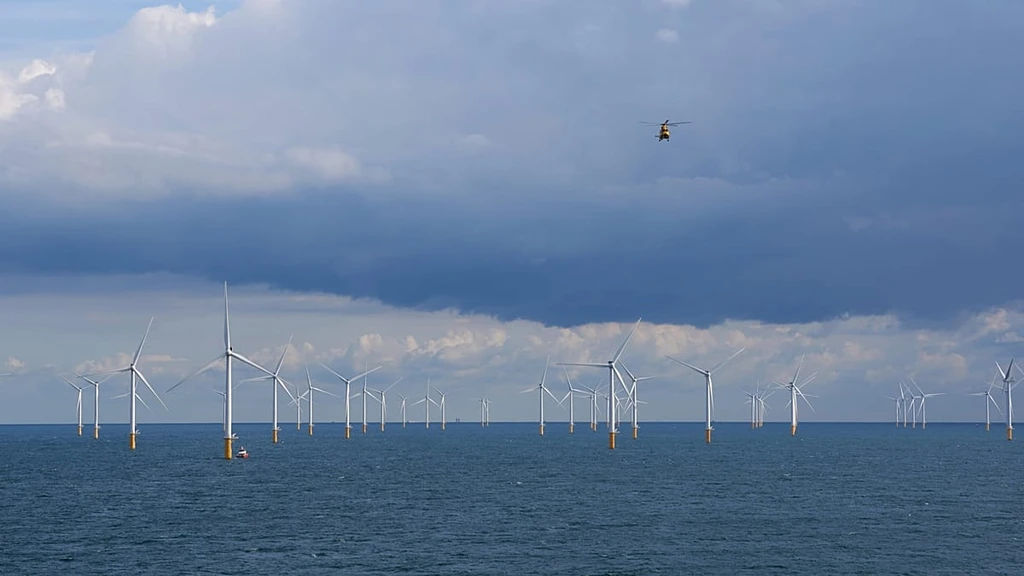
More than 100 offshore wind farms operate in the North Sea across the exclusive economic zones of Germany, the UK, the Netherlands, Denmark, and Belgium. These facilities are crucial for Europe's renewable energy transition but face increasing hybrid threats, including drone overflights, submarine mapping, and potential sabotage.
Jurisdictional confusion leaves security responsibilities unclear. In Germany, if a drone is spotted near critical infrastructure, police respond; over military sites, the armed forces take defensive action. Over offshore energy infrastructure, however, incidents are often ignored or unreported. Albéric Mongrenier, Executive Director at the European Initiative for Energy Security, notes that attacks are "not only increasing in frequency, but are also diversifying, both onshore and offshore." Dan Marks of the Royal United Services Institute adds that there is little incentive for companies to report incidents, and the process for follow-up is unclear.
Defense against hybrid threats remains fragmented across Europe. Sabrina Schulz, Germany Director of EIES, points to the complexity of Germany's federal system, with multiple layers of authority involving police, water police, navy, and cybersecurity agencies. Unlike Nordic countries, Germany struggles to coordinate effectively. The Hamburg Declaration signed in January commits nine North Sea states to boosting offshore wind capacity to 15 gigawatts annually from 2031, but security gaps persist.
Offshore wind is a strategic cornerstone of Europe's energy independence, especially after Russia's invasion of Ukraine and ongoing tensions in the Strait of Hormuz. Germany, with 9.7 gigawatts of offshore wind capacity, plans a sevenfold increase by 2045. However, infrastructure is inherently more resilient than oil and gas facilities due to its decentralized nature and lack of volatile materials.