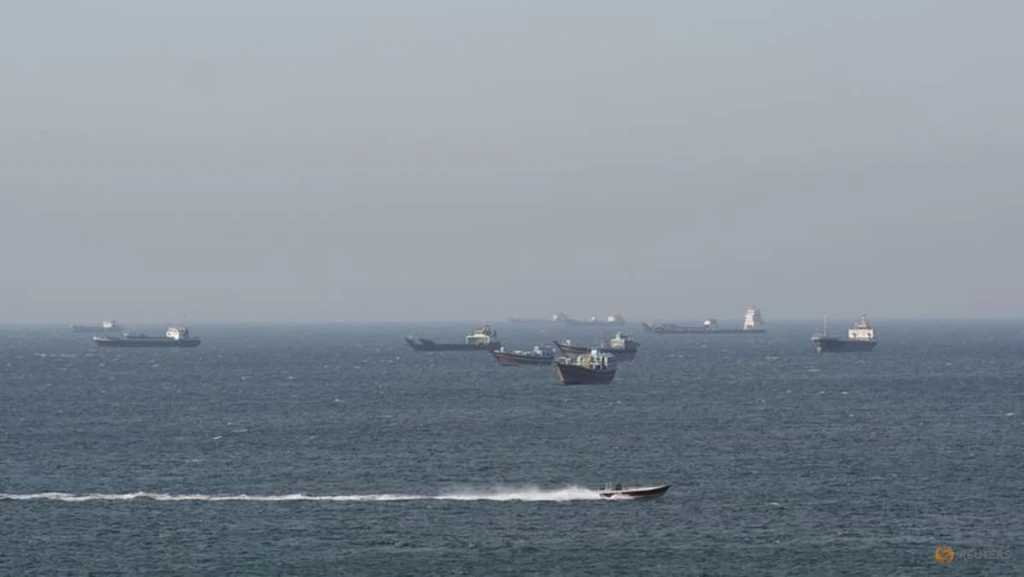
Iran's top negotiator reported progress in recent US talks, though significant gaps persist regarding nuclear matters and the Strait of Hormuz. President Donald Trump described the conversations as "very good," while simultaneously warning Iran against "blackmail" concerning the crucial shipping channel.
Details of the ongoing negotiations remain scarce, particularly with a fragile ceasefire in the US-Israeli conflict against Iran set to expire soon. This eight-week conflict has resulted in thousands of casualties, expanded to Israeli actions in Lebanon, and driven oil prices higher due to the effective closure of the Strait of Hormuz, a waterway that previously handled a fifth of global oil shipments.
Iran's chief negotiator, Mohammad Baqer Qalibaf, indicated that while progress has been made, a substantial distance remains between the two sides on certain issues where both parties have "red lines."
On Saturday, Tehran reversed its earlier decision, reasserting control over the Strait of Hormuz and closing this vital energy choke point. Iran stated this action was a response to a continued US blockade of Iranian ports, which they deemed a ceasefire violation. Supreme Leader Ayatollah Mojtaba Khamenei asserted Iran's navy is prepared to deliver "new bitter defeats" to its adversaries.
President Trump characterized Iran's move as "blackmail," even as he acknowledged the ongoing positive dialogue.
Earlier, on Friday, Iran had announced the temporary reopening of the Strait of Hormuz following a separate US-brokered 10-day ceasefire agreement between Israel and Lebanon. Trump defended the US blockade and warned of renewed bombing if a long-term deal is not reached before the ceasefire's Wednesday expiration.
Concerns escalated after at least two vessels reported coming under fire while attempting to transit the waterway on Saturday. India summoned the Iranian ambassador in New Delhi to express deep concern over an attack on two Indian-flagged ships.
US Central Command confirmed American forces were enforcing a maritime blockade of Iran but offered no comment on the latest Iranian actions. The disruption risks further impacting oil and gas shipments through the strait as President Trump considers extending the ceasefire.
Last weekend, American and Iranian negotiators met in Islamabad. The US proposed a 20-year suspension of Iranian nuclear activities, while Iran suggested a three-to-five-year halt. No date has been set for further negotiations, with Iran's deputy foreign minister stating a framework of understanding must first be agreed upon.
President Trump had previously expressed optimism, suggesting talks could occur over the weekend and that both sides were "very close to making a deal."
Pressure to resolve the conflict is mounting as President Trump's Republican party faces crucial midterm elections amid high gasoline prices, rising inflation, and declining approval ratings.