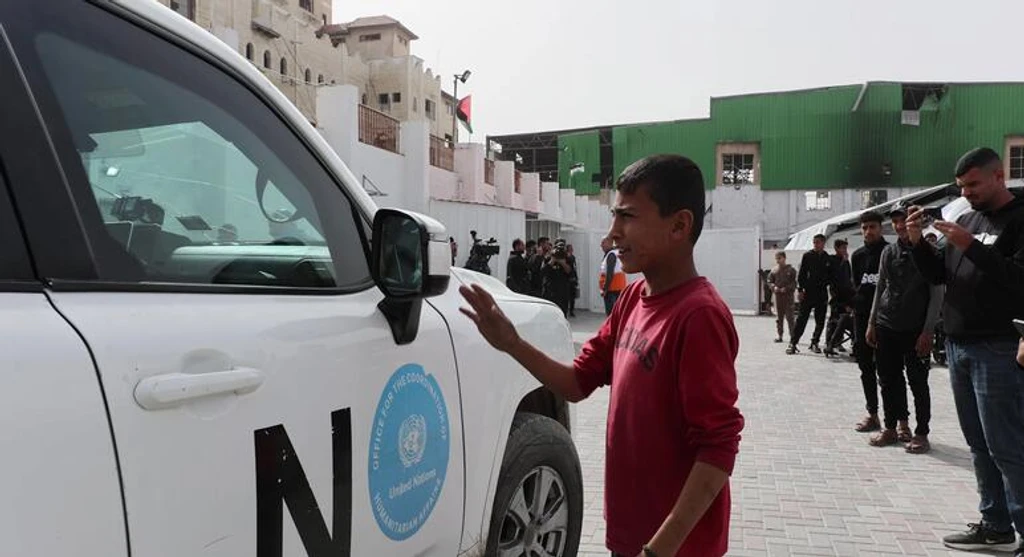
The Rafah crossing has reopened, allowing limited medical evacuations from Gaza. The World Health Organization facilitated the transfer of nine critically injured patients. Still, 18,000 others urgently require treatment unavailable locally.
Aid agencies face severe constraints-Kerem Shalom remains the sole entry point for humanitarian and commercial goods. Israeli restrictions recently forced the cancellation of three UN aid convoys, permitting only fuel while blocking food and essential supplies.
Meanwhile, a new UN report reveals that gender inequality is intensifying the global water crisis. Women in over 70% of rural households without reliable water access bear the burden of collection, losing opportunities for education and income. Climate change and poor sanitation-including lack of menstrual hygiene facilities-compound these disparities.
In Colombia, human rights defenders continue to face extreme violence. Nearly 100 are killed annually on average. From 2022 to 2025 alone, 410 were assassinated, with Indigenous defenders disproportionately targeted-accounting for 23% of victims despite being under 5% of the population. Non-State armed groups linked to drug trafficking and illegal mining drive most attacks.
The UN calls for urgent reforms to protect defenders and expand women’s inclusion in water governance.