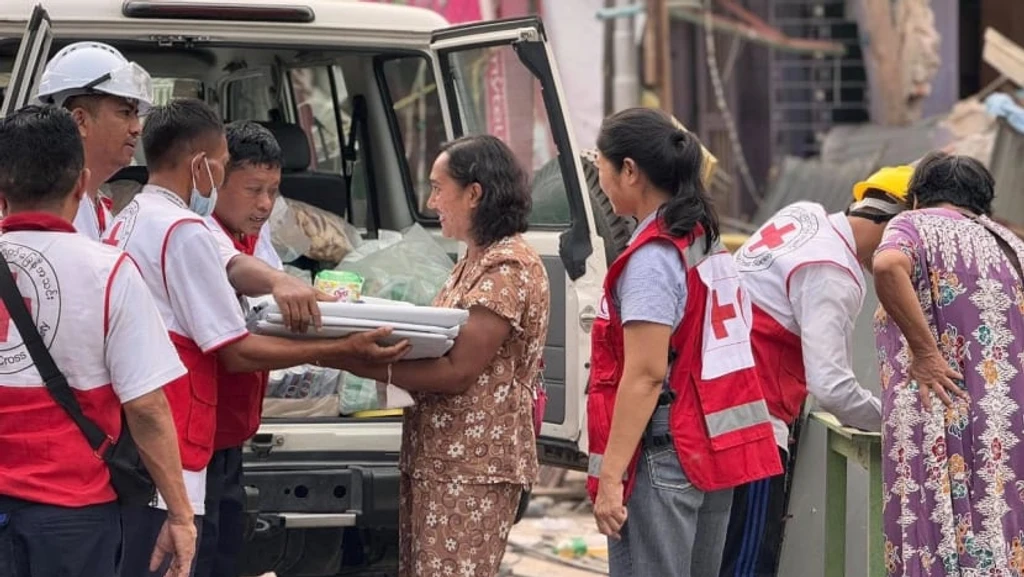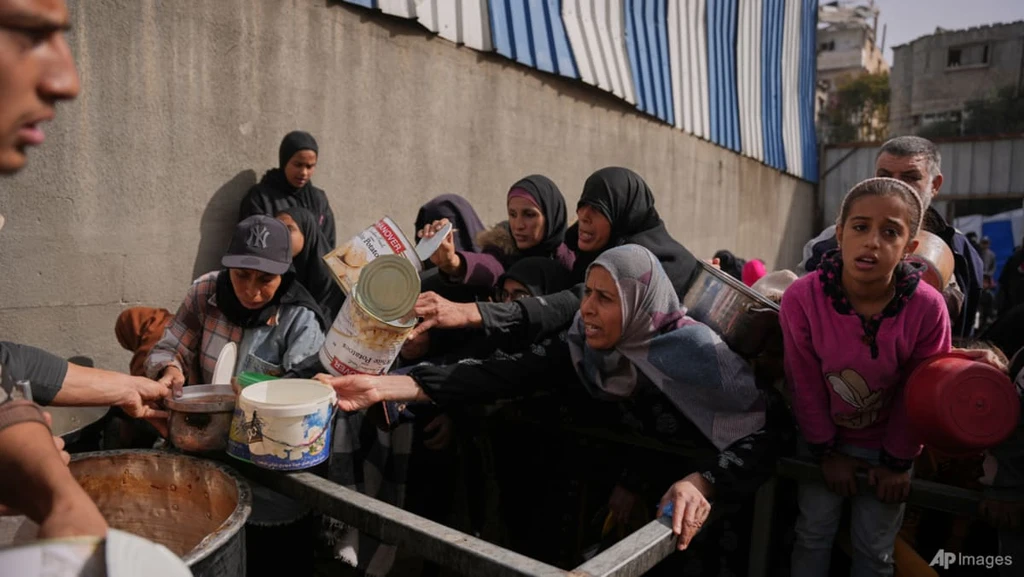
The United Nations World Food Programme warns that the war on Iran is causing the most significant global food aid disruptions since COVID-19 and the Ukraine war.
The conflict is driving up fuel and shipping costs by 70 to 300 percent, forcing vessels to reroute and stranding roughly 70,000 metric tonnes of aid-enough to feed over 800,000 people for three months.
Alexander Matheou of the International Federation of Red Cross and Red Crescent Societies says the crisis is hitting at the worst possible time, as WFP funding fell by 40 percent last year. More money is now being spent on logistics instead of reaching vulnerable people.
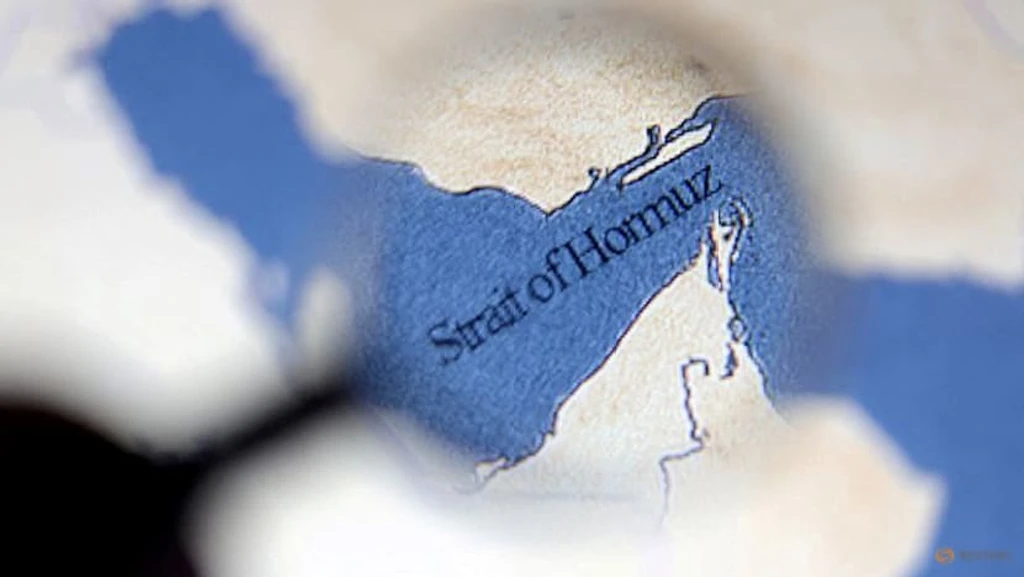
Critical aid routes to Afghanistan, Yemen, Syria, Lebanon, and Palestinian territories are compromised. Deliveries to Afghanistan, where 17 million are food insecure, now face weeks of delays and higher costs as they are rerouted overland.
The knock-on effects are felt across Asia Pacific, with rising prices putting households at risk of poverty. Aid groups warn prolonged disruption could push fragile communities into crisis, causing pockets of hunger and malnutrition.