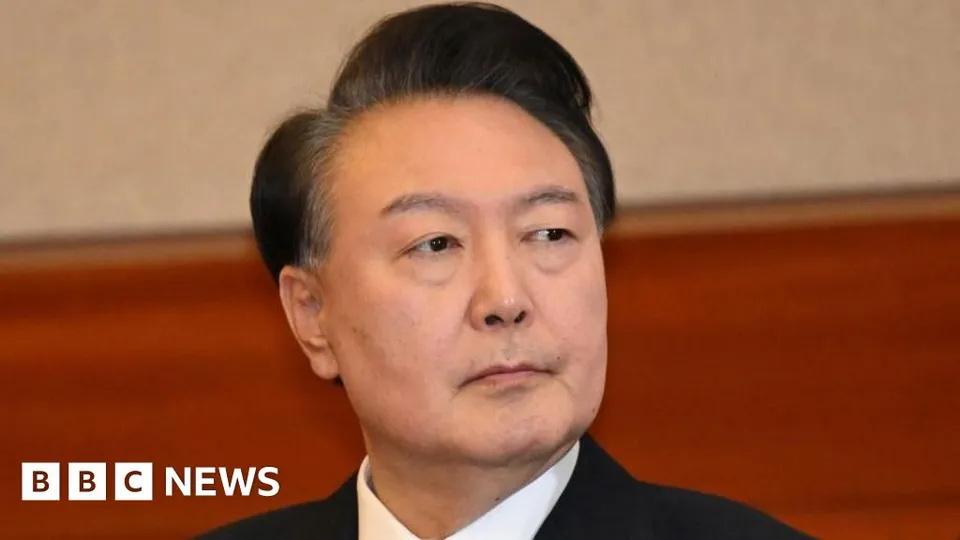
Former South Korean President Yoon Suk Yeol has been sentenced to life in prison for attempting to subvert the constitution by deploying military troops to seal off the National Assembly and order the arrest of politicians on December 3, 2024. A Seoul court ruled that his actions fundamentally damaged South Korea's democracy, warranting a harsh punishment.
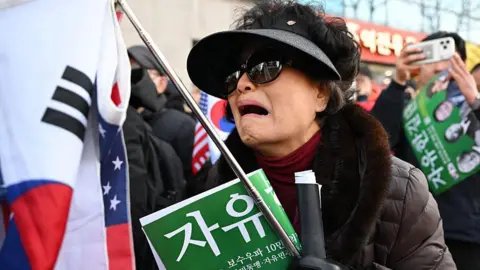
Yoon's brief martial law order has left the nation deeply polarized, with supporters and protesters converging outside the court for the sentencing. Supporters wept at the verdict, while opponents demanded the death penalty. Yoon's legal team has alleged the verdict is unsubstantiated and accused the judge of following a predetermined script.
Originally declared on live television, Yoon claimed the martial law was to counter "anti-state" forces sympathetic to North Korea. However, the court found he was driven by domestic challenges, including an opposition-controlled parliament and corruption allegations surrounding his wife.
The case is expected to proceed to the Supreme Court if an appeal is filed. Several other high-ranking officials have already received lengthy prison sentences for their roles in the insurrection. Former Prime Minister Han Duck-soo was sentenced to 23 years, and ex-Defence Minister Kim Yong-hyun received 30 years. Other officials, including former interior minister Lee Sang-min, have also been jailed.
Despite his defense that the president has the authority to declare martial law, the court deemed him the "insurrectionist leader." South Korea has not carried out an execution since 1997, meaning a death sentence would effectively be life imprisonment.
Yoon is already serving time for abuse of power and obstructing his own arrest related to the martial law incident and faces three additional trials. Past South Korean presidents convicted and jailed have often been pardoned after serving shorter sentences, a fate many anticipate for Yoon.