
Binance’s pursuit of a European Union crypto license faces significant headwinds as reports indicate the Hellenic Capital Market Commission is poised to reject its application. This development raises critical questions regarding informal influence from the European Central Bank, despite the ECB lacking formal authority over national licensing decisions under the Markets in Crypto-Assets Regulation.
Legal experts confirm that while national competent authorities hold exclusive approval power, nothing in the regulatory framework prevents EU institutions from advising regulators during reviews. Reports suggest ECB President Christine Lagarde may have signaled opposition to Greek leadership, complicating Binance's compliance efforts just weeks before the transitional period ends on July 1.
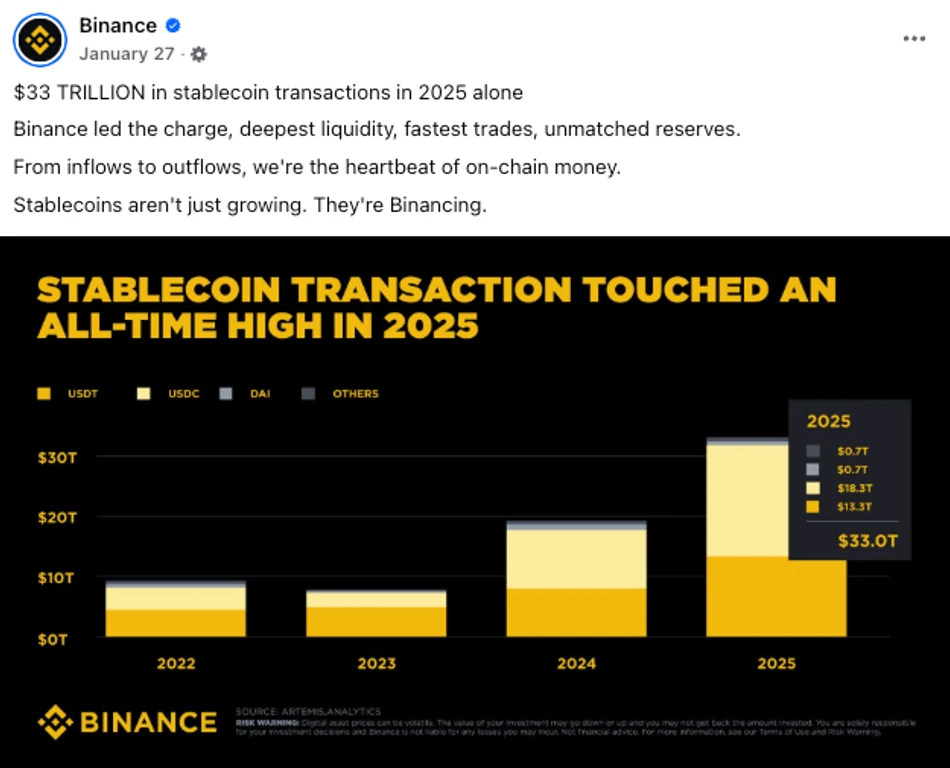
The friction appears rooted in monetary policy rather than operational compliance. The ECB has consistently favored central bank digital infrastructure over private stablecoins, warning that private tokens could reinforce US dollar dominance. This stance directly challenges Binance, which currently controls approximately 65% of centralized exchange stablecoin reserves and serves as the primary global hub for this liquidity.
Binance maintains that its application met all requirements and expected advancement at the European Securities and Markets Authority level. However, with the Greek rejection looming and no formal application filed in France, the exchange faces an uncertain future within the bloc. Regulators and the ECB have declined to comment on these alleged backchannel communications.