Before the Iran conflict erupted, Bitcoin languished in a sideways range while gold surged to record highs amid persistent inflation fears and mounting geopolitical tensions.
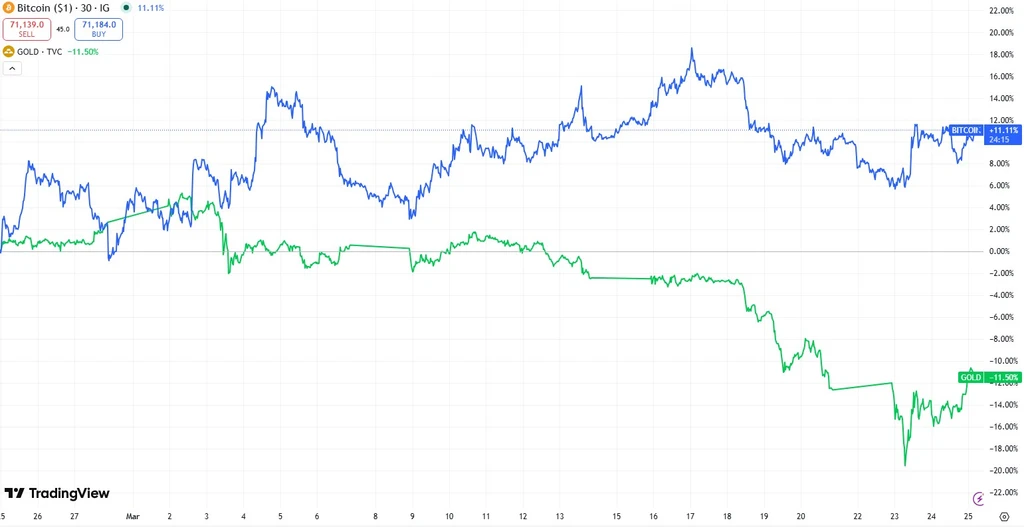
That dynamic shifted after US and Israeli strikes on Iran began February 28. Bitcoin initially plunged to $63,176 but rebounded 12% to $71,012 within weeks-even as gold tumbled 11%, its steepest weekly drop since 1983.
Yet analysts caution against rebranding Bitcoin as a safe haven. Jonatan Randin, senior market analyst at PrimeXBT, notes it continues trading like a risk asset-selling off alongside equities during shocks and showing weakness within a broader downtrend.
Global liquidity, not headlines, remains Bitcoin’s dominant price driver. Matthew Pinnock, co-founder of DeFi project Altura, explains BTC behaves as a "high-beta liquidity asset," pressured by tighter financial conditions: higher real yields, a strong dollar, and weak ETF inflows.
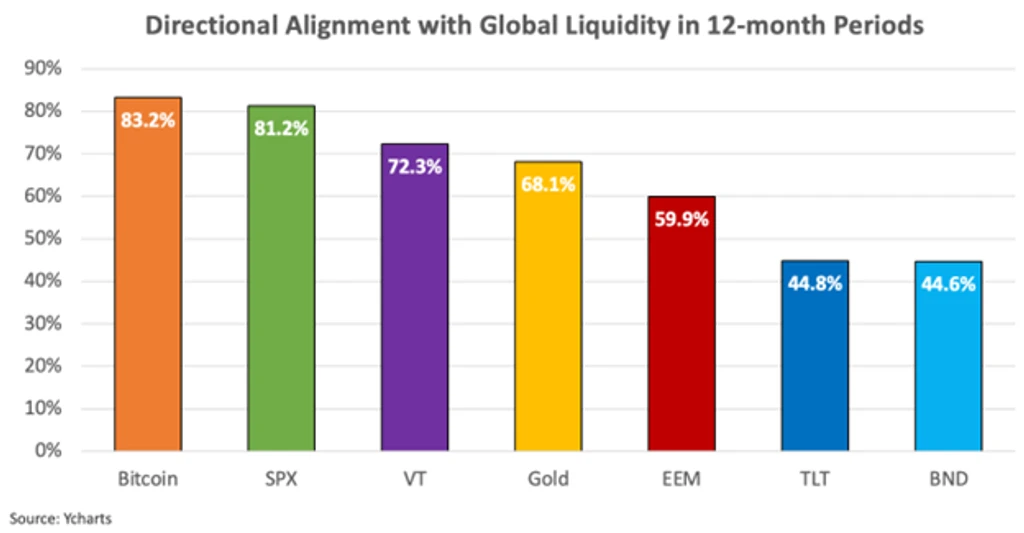
A 2024 analysis by Sam Callahan of OranjeBTC found Bitcoin’s price correlated 0.94 with global liquidity from 2013 to 2024. It moved in sync with global M2 money supply in 83% of 12-month periods-outpacing gold’s 68.1% alignment.
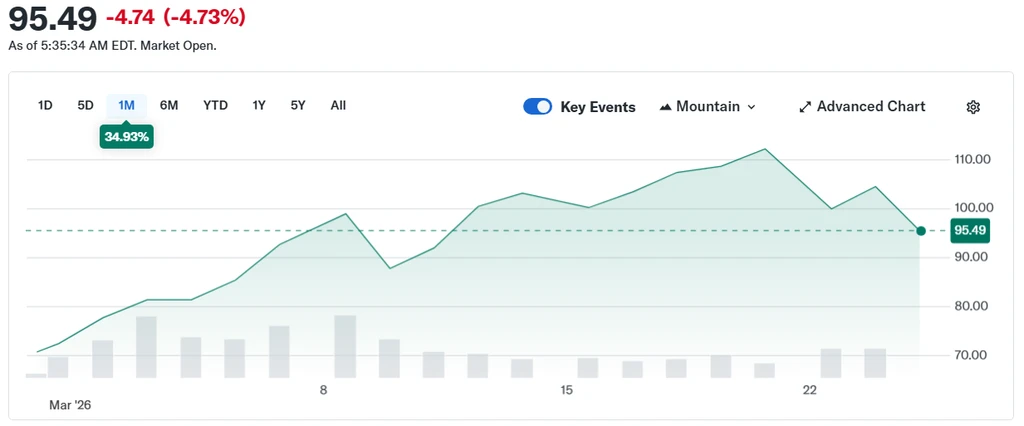
The Iran war triggered an oil shock, pushing crude above $110 and spiking near-term inflation. But that “bad inflation”-driven by supply disruption, not monetary expansion-has kept central banks hawkish, lifting real yields and tightening liquidity.
“Bitcoin is a long-term monetary debasement hedge, not a short-term inflation hedge,” Randin said. “It responds to multi-year money supply trends, not CPI prints or oil spikes.”
Despite outperforming the S&P 500, gold, and silver over select windows, Bitcoin entered the conflict already down over 40% from its October peak. Onchain data shows accumulation and declining exchange reserves, yet macro headwinds suppress price action.
Until Bitcoin decouples from equities during crises and rallies independently under stress, its safe haven status remains unproven.