Stafford Masie, executive chairman of Africa Bitcoin Corporation, stated Tuesday that Bitcoin functions as everyday money in parts of Africa, not just a store of value. He told Natalie Brunell on Coin Stories that in some African economies, merchants accept satoshis over dollars.
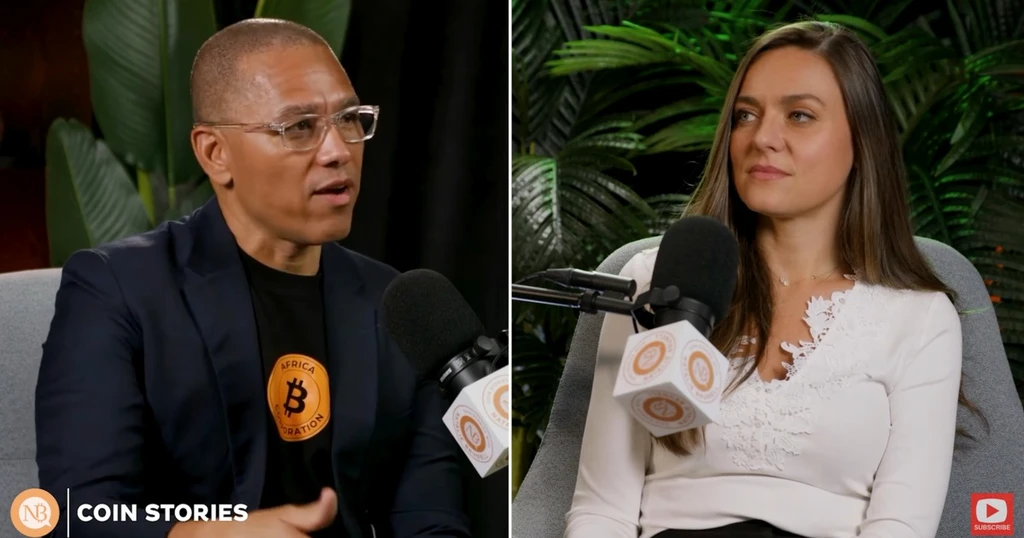
Masie contrasted this with developed markets where Bitcoin is often seen as an inflation hedge. He highlighted extreme inflation rates in Africa, stating, "we talk about 4% to 5% in an afternoon," compared to annual rates in the West.
He compared the rapid adoption of Bitcoin to the continent's swift embrace of mobile technology, noting that younger generations are bypassing legacy financial systems. They are moving from "broken money" and currency debasement directly into digital assets.
Masie described Bitcoin as "pristine capital" and a foundation for individuals and businesses. He emphasized its immutable, decentralized, and non-confiscable nature, calling it a matter of "life or death" for many Africans.
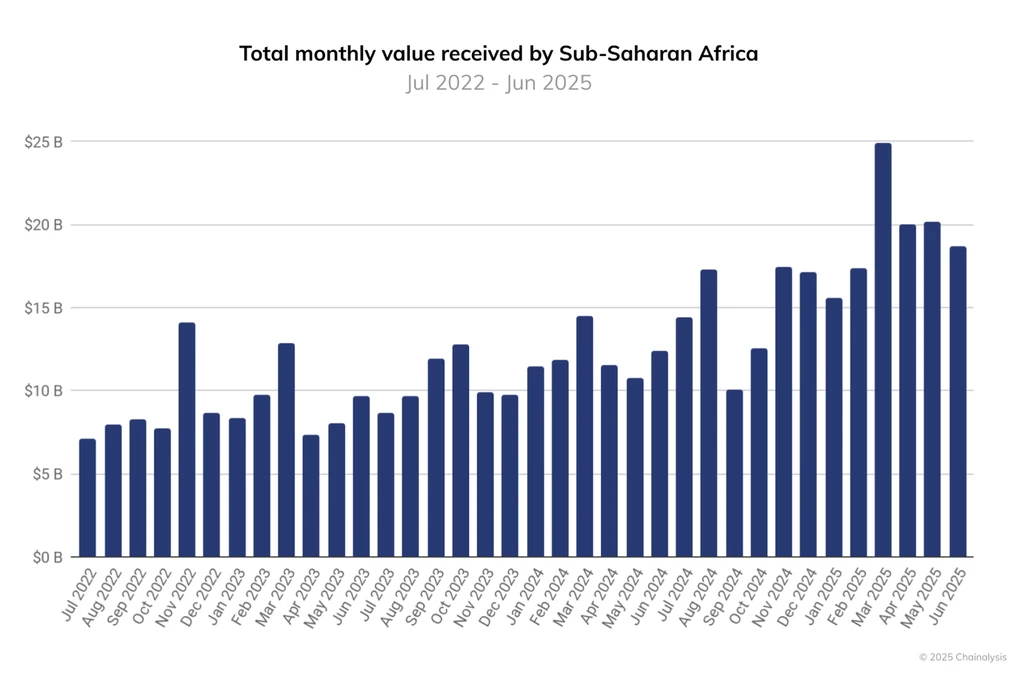
Data from Chainalysis supports this trend, showing Sub-Saharan Africa as the third-fastest growing crypto region globally, receiving over $205 billion in onchain value from July 2024 to June 2025. The region is characterized by retail-driven crypto markets, with smaller transfers comprising a significant portion of transactions.
Nigeria and South Africa have shown notable institutional activity, with stablecoins increasingly used for cross-border trade. Former UN Under-Secretary-General Vera Songwe noted that stablecoins offer a cheaper remittance and settlement tool, becoming more critical than aid in many African economies, especially for the unbanked population facing high inflation.