
Bitcoin developers are considering a significant proposal, BIP-361, aimed at defending the network against future quantum computer threats. This measure could compel Bitcoin holders to move their coins to new, quantum-resistant addresses. Failure to do so may result in their current coins being permanently frozen by the network, rendering them untradeable.
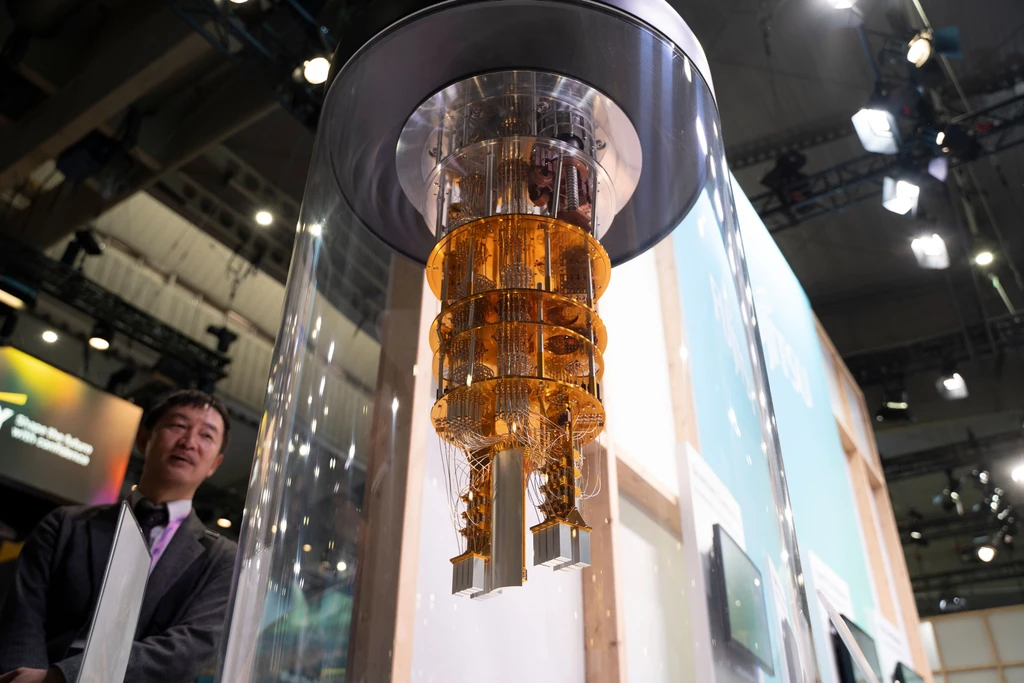
The proposal comes amid warnings that powerful quantum machines could compromise the Bitcoin blockchain sooner than anticipated, with some experts citing 2029 as a potential deadline.
In parallel, the cryptocurrency sector is advancing AI integration for payments, though new research highlights security vulnerabilities in 'LLM routers' that could expose user data. Separately, the decentralized trading platform CoW Swap experienced a domain name system (DNS) hijacking incident, temporarily halting services to prevent users from being redirected to malicious sites.
The XRP Ledger has now integrated zero-knowledge (ZK) proofs via Boundless, enabling enhanced privacy for financial institutions on the public blockchain, a move intended to address a key barrier to institutional adoption.
Meanwhile, the Trump-backed World Liberty Financial is proposing to unlock a substantial amount of previously locked governance tokens. In other financial news, Winklevoss Capital has moved approximately $43 million in Bitcoin into custody wallets, marking the first significant transfer in over a month.