
The landscape of decentralized social media is undergoing a dramatic shift. In late January, Farcaster transitioned stewardship to its infrastructure provider, Neynar, while Lens Protocol moved from Avara to Mask Network. These changes have sparked debate, with some viewing them as a failure of crypto social. However, this perspective overlooks a necessary market correction.
The initial struggles of crypto social projects like Farcaster and Lens stemmed from attempting to replicate legacy platforms with added crypto complexity, rather than focusing on product quality, distribution, and incentives. The assumption that social graphs would scale like blockchains proved flawed. Users do not migrate solely for ideology or portability; a superior user experience is paramount.
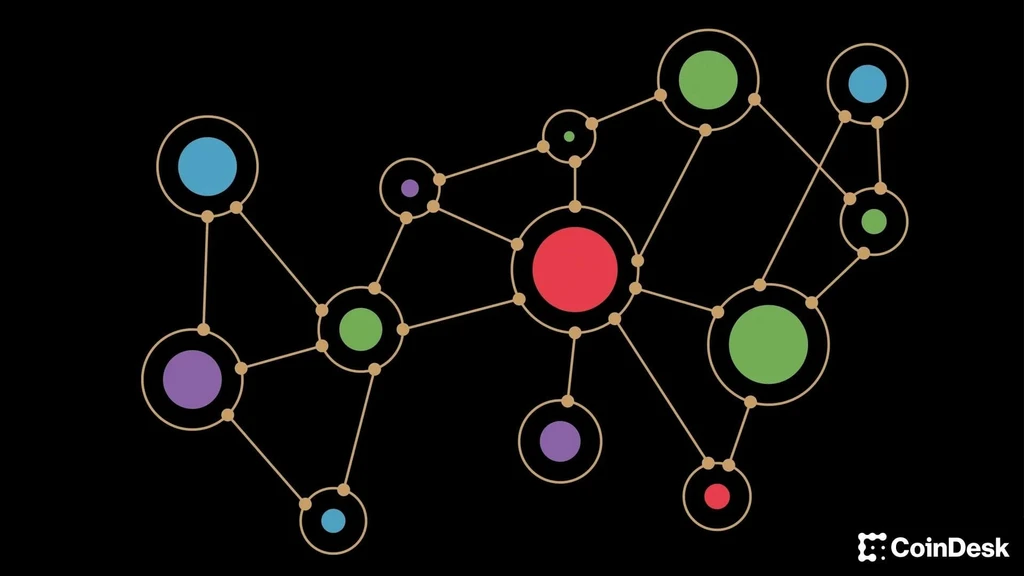
The narrative is now pivoting towards "social financial networks." These platforms prioritize coordinating information, capital, and collective belief over simple broadcasting. Prediction markets like Polymarket exemplify this, aggregating opinions and transforming discourse into probabilistic outcomes without relying on traditional Web2 engagement tactics.
Beyond financial coordination, blockchains enable new social paradigms. Digital ownership can create durable assets from content and status, while programmable incentives can align creators and communities for long-term value. On-chain coordination opens avenues for collective funding, shared governance, and mutual upside. Crypto social is not dead; it is expanding the design space for what social networks can become.
The emergence of AI agents interacting on platforms like Moltbook further illustrates this evolution. These AI-driven social experiments, complete with emergent governance and manifestos, demonstrate that new forms of social coordination can arise when participants, incentives, and constraints change. This is a bold reminder that the future of crypto social may lie in unexpected participants and novel interactions.