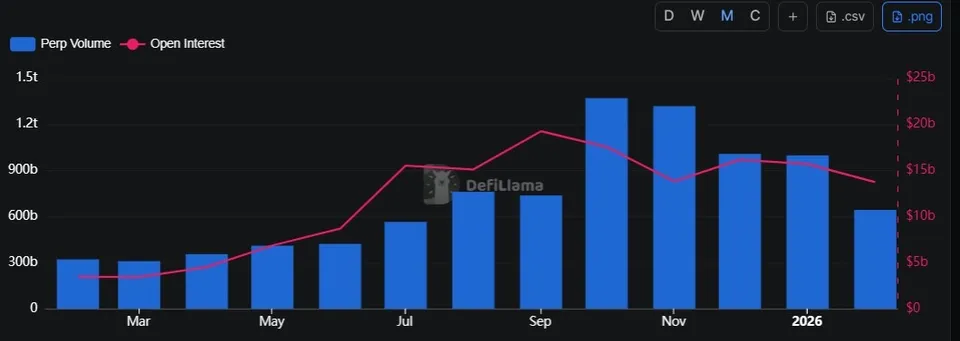
Decentralized finance (DeFi) faces a critical shift: growth can no longer be fueled by inflationary token incentives, according to Curve Finance founder Michael Egorov. Protocols must generate actual revenue, not rely on emissions, to attract and retain liquidity.
"Your yield should come from revenues, not from tokens," Egorov stated. He emphasized the need for "real revenues flowing," suggesting that if a token isn't driving tangible value, its existence might be questionable.
Egorov contrasted the current climate with the "DeFi summer" of 2020, when high annual percentage rates (APRs) attracted capital through speculative premiums. Today, users have "re-evaluated the risks," and token prices no longer react significantly to news.
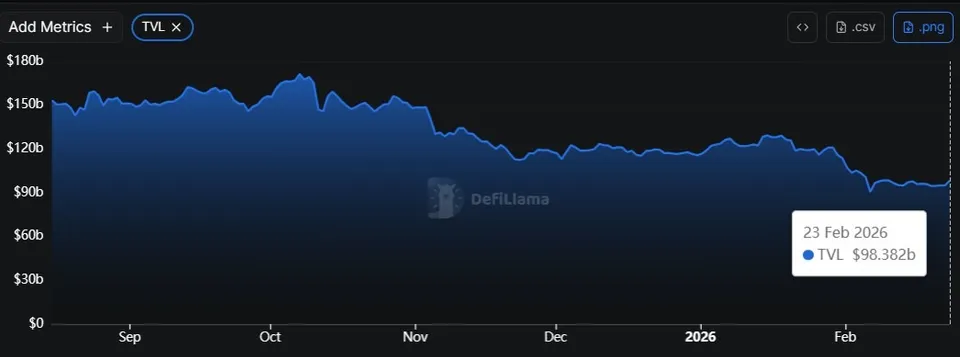
This perspective emerges as DeFi's total value locked (TVL) has declined approximately 38% in the last six months, falling from $158 billion to around $98 billion. Egorov insists that sustainable returns must be tied to actual economic activity, a stark contrast to the past where high token rewards could mask project failures.
"Right now, it's absolutely impossible," he noted, stressing the need for protocol safety and long-term security.
He also clarified the role of tokens, asserting they are essential for decentralization, not merely for rapid wealth accumulation. Without decentralized governance, projects risk being classified as regulated financial services.
Speculative attention has also shifted, with Egorov pointing to meme coins capturing much of the speculative premium. DeFi tokens, he suggests, are now evaluated more on fundamentals than hype, making it harder to attract "mercenary capital."
Moving forward, durable onchain businesses will need to excel in revenue generation and capital efficiency, rather than competing solely on headline APRs.