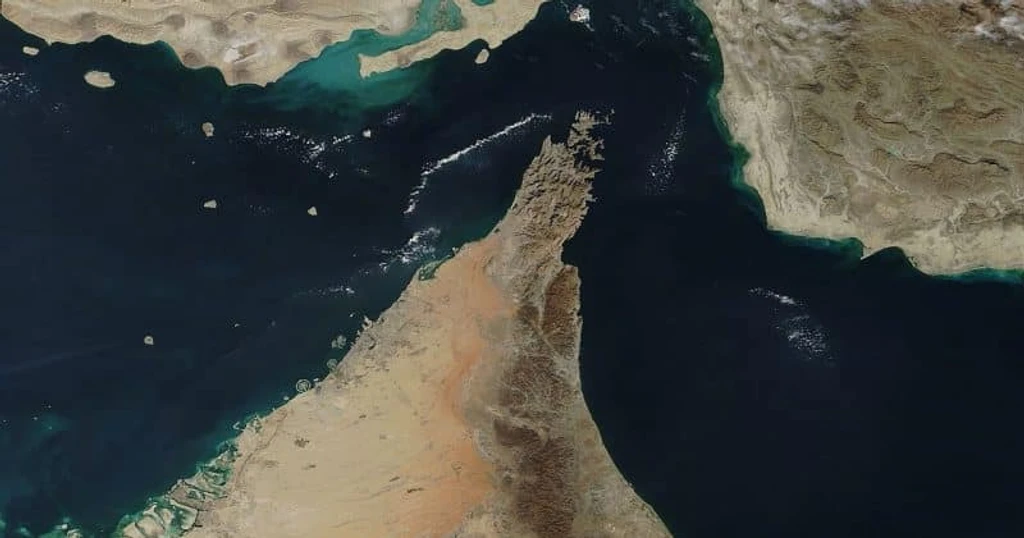
Negotiations between the US and Iran in Switzerland have continued into a second day, coinciding with the closure of the Strait of Hormuz, a critical pathway for global energy that handles 20% of the world's oil and LNG shipments. Iran is demanding Bitcoin payments for transit through this maritime chokepoint.
Trump has warned Iran of severe consequences if they extend the closure. The US Treasury has now frozen about $344 million in digital assets linked to Iranian crypto wallets, signaling governmental scrutiny on crypto transactions.
Bitcoin remains stable at approximately $64,000 despite the geopolitical tensions. The ongoing situation illustrates how nation-states utilize cryptocurrency as an economic weapon; Iran leverages it to evade sanctions while the US imposes limits to counteract such efforts.
The next moves by the Treasury could shape the regulatory landscape, particularly if further crackdowns are initiated on crypto directed at sanctions evasion, complicating compliance for decentralized finance and centralized exchanges.