
Since Bitcoin's all-time high of $127,000 in October 2025, the crypto market has entered a period of significant correction. Bitcoin fell below $60,000 in just five months-a sharp drop that reflects macroeconomic headwinds, including Fed balance sheet reduction, seasonal tax payments, and a strong U.S. dollar.
Crypto markets are heavily influenced by liquidity conditions. When global capital flows tighten, digital assets tend to fall sharply. This recent correction is part of a larger reset cycle, not an end to the long-term bull case.
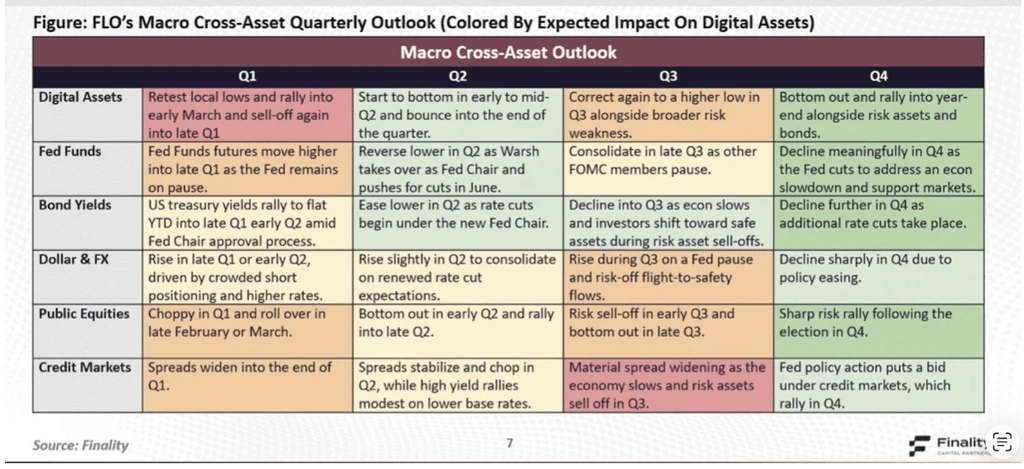
This reset is expected to unfold in phases. Early 2026 brings selling pressure and leverage unwinding. Mid-year may see a stabilization and opportunistic buying. Later in the year, another correction is possible before a potential fourth-quarter rally.
Structural demand remains strong-institutional participation is deeper, infrastructure robust, and regulated investment vehicles have expanded access. As inflation moderates, the Federal Reserve could ease rates, supporting risk assets.
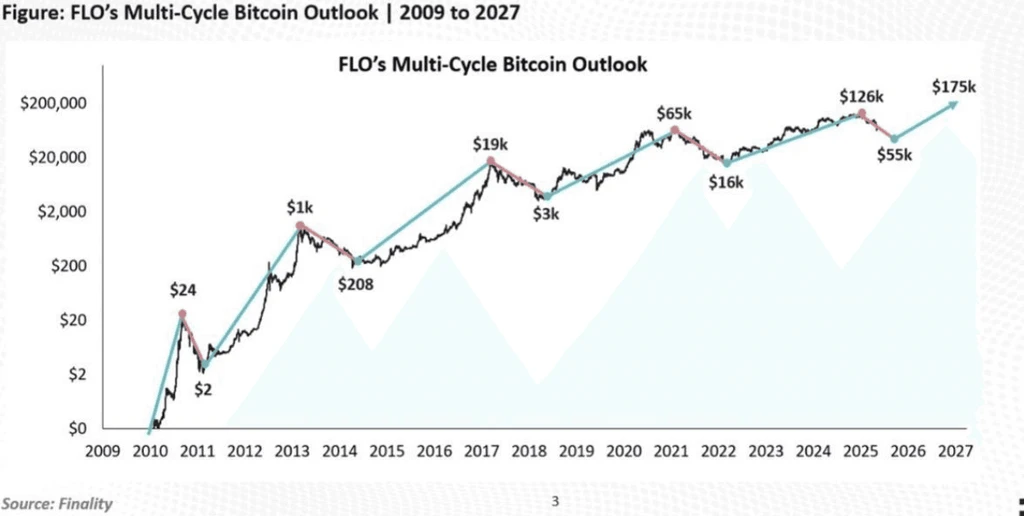
Investors should focus on positioning through volatility-being cautious early, then increasing exposure as conditions stabilize. Distressed assets and mispriced securities present opportunities during the mid-cycle stress.
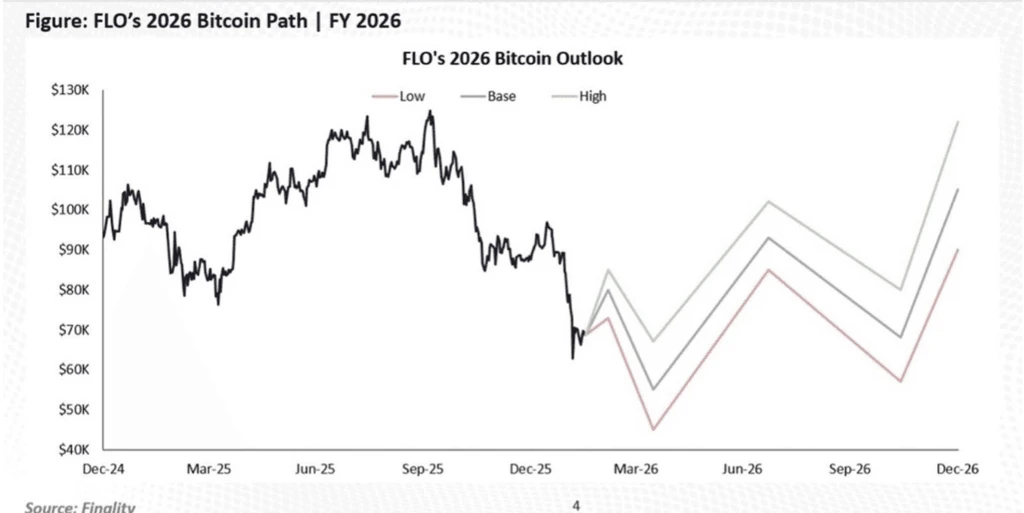
The year 2026 will be defined as a transition, shaking out weak hands and preparing markets for the next expansion. Crypto is not linear. Corrections often lead to powerful recoveries.
Stablecoins are evolving into core financial infrastructure, especially in North America where regulation and institutional adoption are advancing. USDC, RLUSD, and PYUSD are leading the institutional shift.