The European Central Bank (ECB) has laid out conditions for the tokenization of Europe's capital markets, stating that efficiency gains are possible only with central bank money, interoperable infrastructures, and supportive regulation. The ECB's latest Macroprudential Bulletin suggests distributed ledger technology (DLT) can deepen the EU's savings and investments but warns that benefits depend on infrastructure compatibility and keeping pace with new risks.
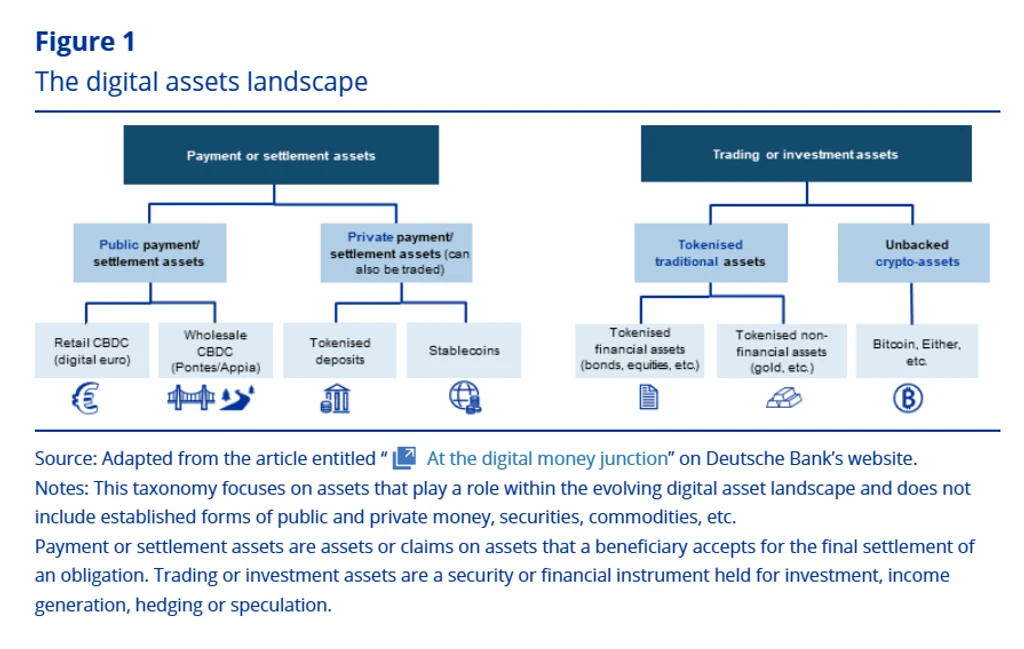
The ECB noted tokenization and DLT are moving towards early-scale deployment, with benefits realized safely only if European policy action keeps pace. The bank indicated tokenized assets could streamline the issuance-to-settlement chain, cutting friction and improving liquidity by moving securities and cash onto compatible ledgers and automating corporate actions. However, efficiency gains rely on avoiding incompatible platforms and ensuring central bank money is used for settlement.
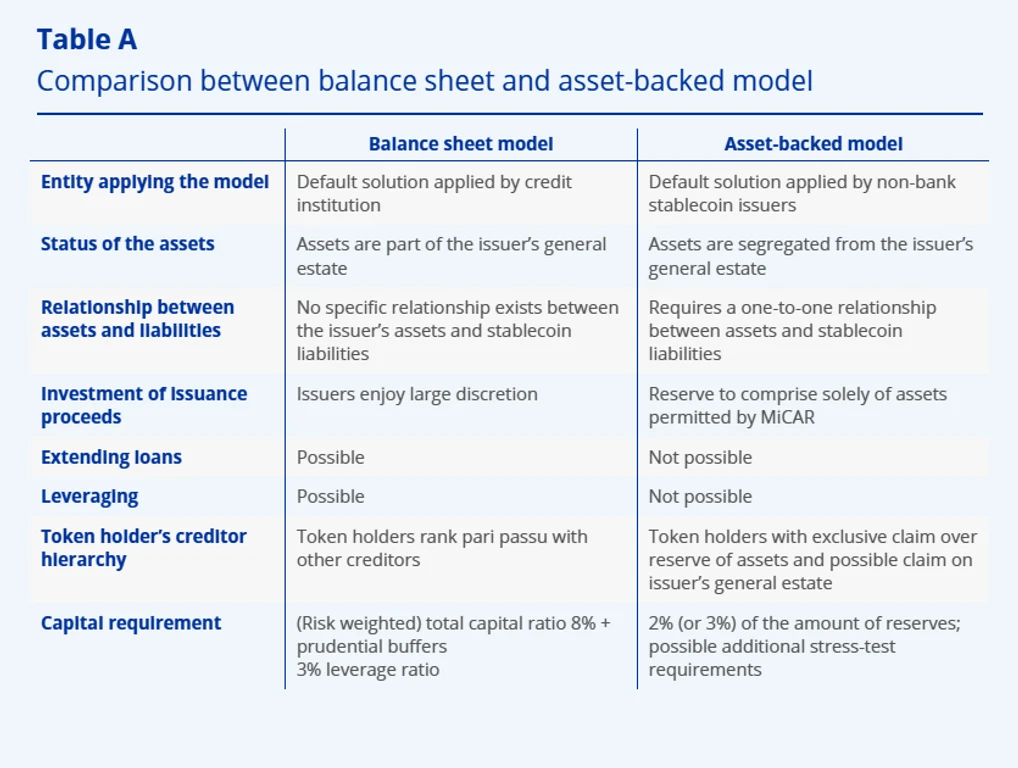
The Bulletin also examined tokenized money market funds and euro stablecoins, treating them as parallel onchain cash-like instruments. Tokenized money market funds, while replicating familiar risks, introduce new operational vulnerabilities. MiCA-compliant euro stablecoins could alter demand for sovereign bonds, acting as a liquidity buffer or a contagion channel depending on issuer reserve requirements. The ECB's position is that tokenization can support an integrated capital market, provided policy, prudential rules, and central bank infrastructure evolve together.