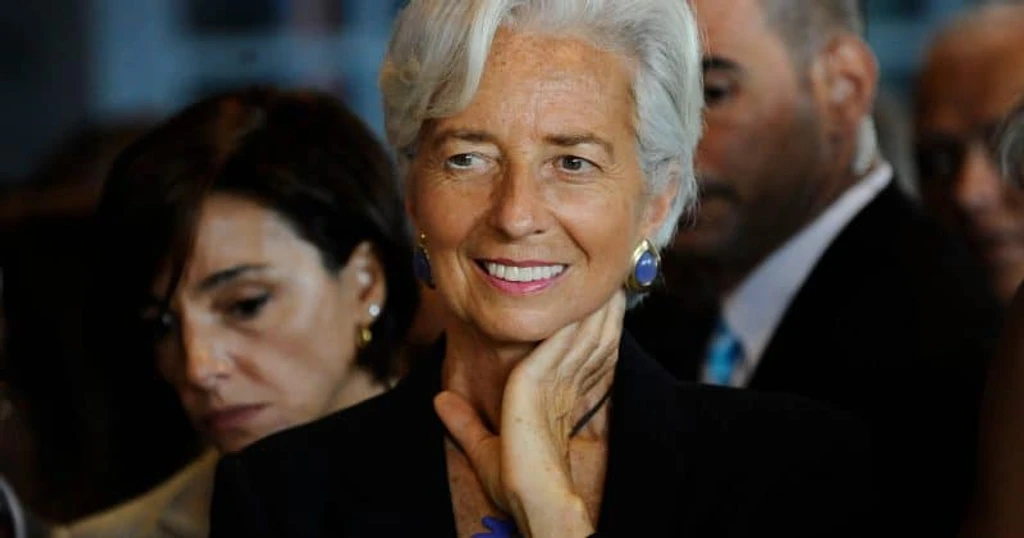
The European Central Bank raised its deposit facility rate by 25 basis points to 2.25%, marking its first increase since 2023. ECB President Christine Lagarde signaled potential further tightening as Euro-area inflation reached 3.2% in May 2026, driven by supply shocks from the ongoing Iran conflict.
Coordinated military operations against Iran disrupted approximately 20% of global oil supplies via the Strait of Hormuz blockade. This energy spike pushed consumer prices well above the central bank's comfort zone. The ECB now forecasts full-year 2026 inflation at 3.0%, with a gradual return to the 2.0% target expected by 2028.
This policy shift ends the era of monetary easing for the foreseeable future. Markets are currently pricing in roughly 70 additional basis points of tightening by year-end. For institutional investors, rising risk-free returns in traditional fixed-income products may reduce appetite for digital assets. However, if the Federal Reserve holds steady while the ECB tightens, dollar weakness could partially offset liquidity drains on Bitcoin.