
Ethereum is capturing investor attention, with capital increasingly flowing into the digital asset at the expense of Bitcoin. Data reveals a significant drop in Ethereum held on exchanges throughout March 2026, indicating a strong trend towards long-term storage rather than immediate sales. Concurrently, the Ethereum network saw a rise in active addresses, fueled by increased activity in stablecoins, decentralized finance, and real-world asset tokenization.
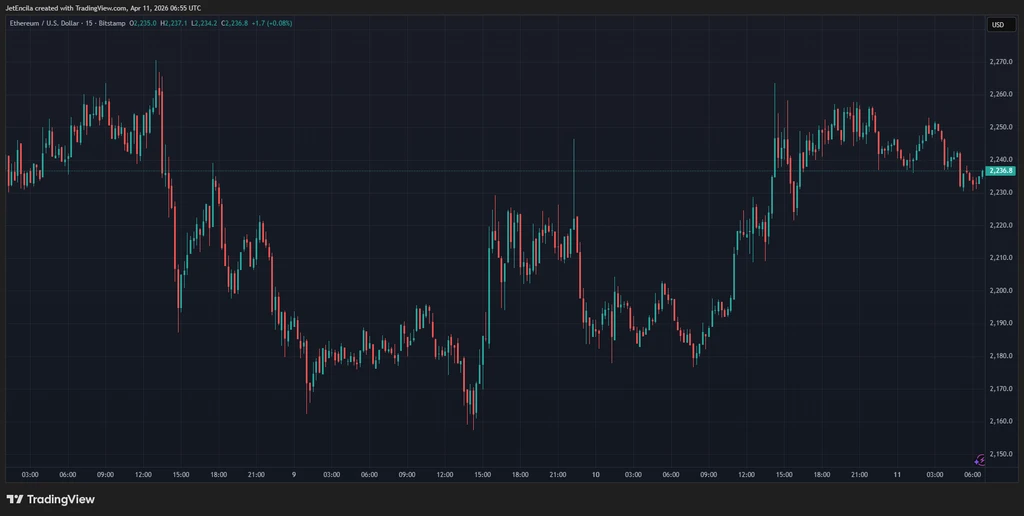
While Bitcoin experienced a modest price gain in March, its market capitalization declined. Ethereum, however, saw a notable 7% price increase and expanded its market cap, outperforming Bitcoin and drawing analyst focus on capital movements. Ethereum's realized volatility for the month was 62%, compared to Bitcoin's 49%, positioning it as a higher-beta asset more responsive to liquidity shifts.
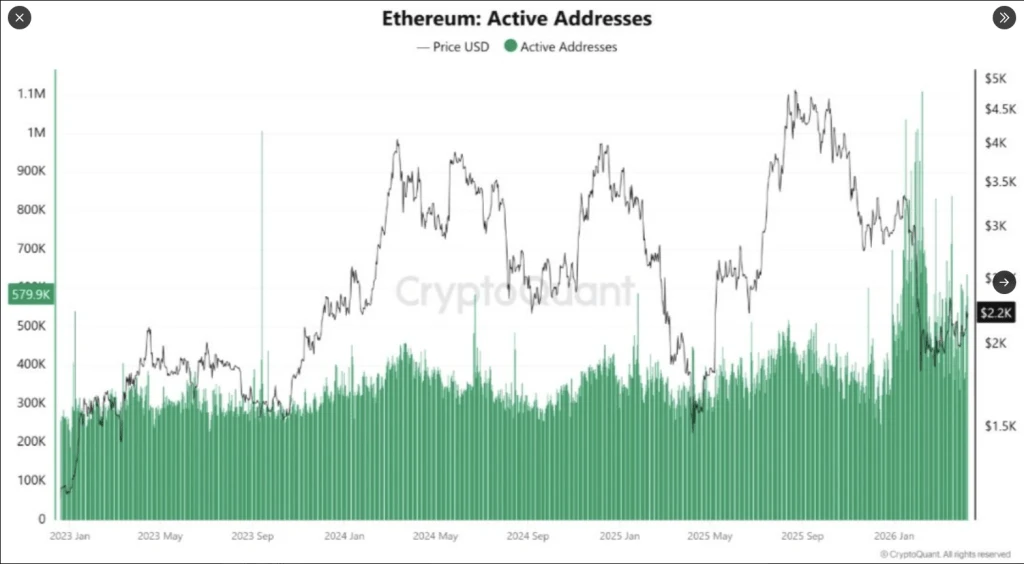
Analysts suggest Ethereum's outperformance stems from simultaneous capital inflow, supply tightening, and ecosystem growth. This dynamic positions Ethereum as a structurally stronger asset in the current market phase, with its utility play gaining traction over Bitcoin's traditional store-of-value narrative. While the duration of this trend remains uncertain, Ethereum's on-chain data and ecosystem activity suggest a stronger short-term position.