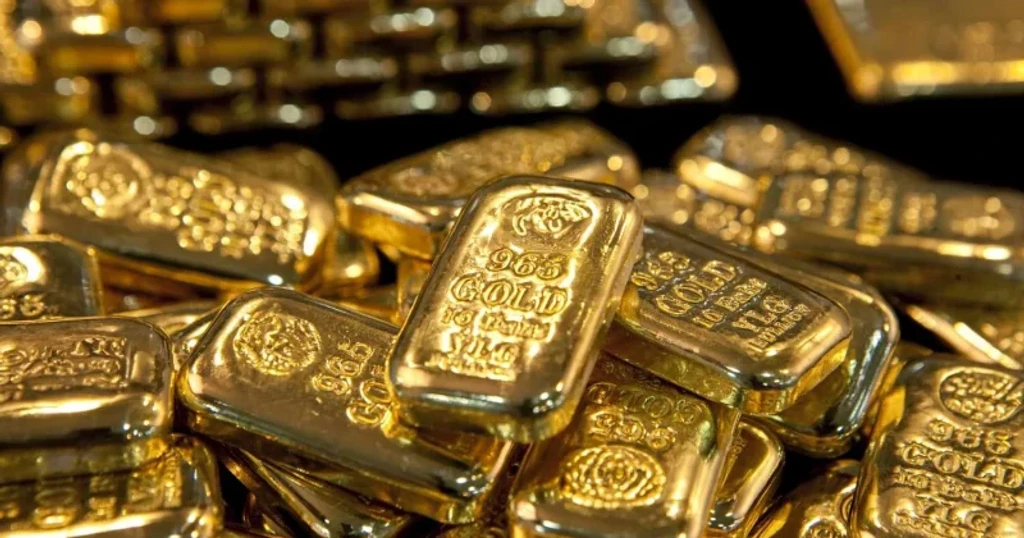
Gold held its ground near $4,700 per ounce in late May, boosted by reports of a tentative US-Iran agreement that could extend the fragile ceasefire between the two nations. The deal, struck on May 28, requires Iran to remove mines from the Strait of Hormuz within 30 days in exchange for the US lifting its naval blockade.
This cautious rally marks a shift from late February, when the US-Iran conflict first erupted. Initially, gold fell over 10% from its highs as surging oil prices stoked inflation fears, unsettling even the classic safe haven.
But sentiment turned in early April, when an initial two-week ceasefire was announced. Gold spiked above $4,800 per ounce, and Bitcoin surged past $72,000. Since then, multiple rounds of negotiations have kept markets in a state of guarded optimism.
The Strait of Hormuz is the critical wildcard. It handles roughly a fifth of global oil flows. Mines in these waters threaten tankers and the inflation assumptions baked into everything from gasoline to airline tickets to Federal Reserve models.
For now, traders should watch for official confirmation of the mine clearance timeline and oil price movements. If Brent crude eases, it signals markets are pricing in a durable peace. If oil stays elevated, skepticism remains.