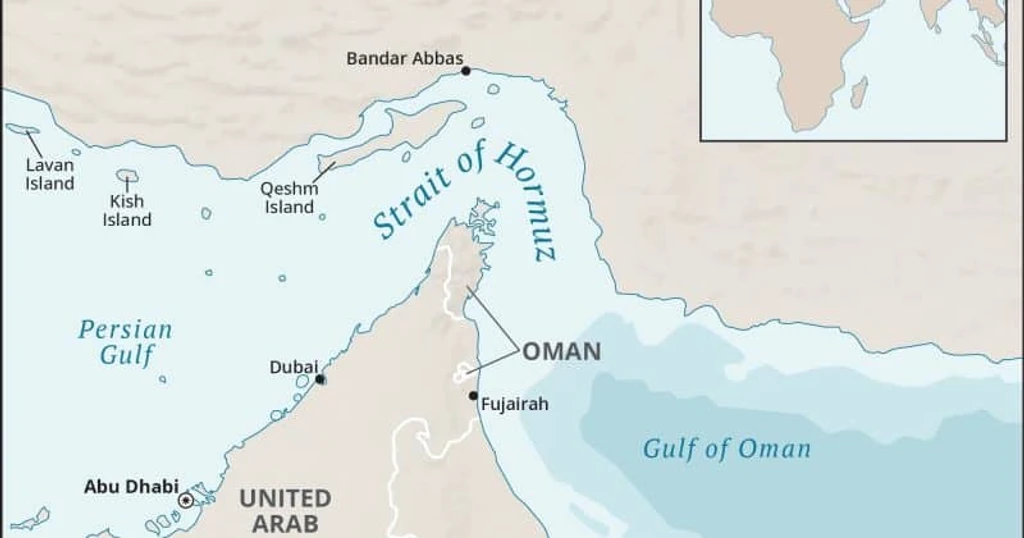
Iran’s Islamic Revolutionary Guard Corps closed the Strait of Hormuz on June 20, causing vessel transits to plummet. Just three days prior, traffic had peaked at 55 vessels, a sign of temporary normalcy following a ceasefire that quickly unraveled.
Before escalating tensions began February 28, there were about 130 vessel transits daily. Now, numbers have dropped to 10-40, representing over a 70% decline. The strait is critical, carrying 20-25% of the world’s oil, leading to thousands of stranded seafarers and significant disruptions reported by major firms like Cargill.
Additionally, Iran has imposed transit tolls on vessels, charging about $1 per barrel in payment forms such as yuan, Bitcoin, or USDT, circumventing traditional banking systems due to sanctions. This highlights state-level adoption of crypto for revenue amid international barriers.
Bitcoin currently trades around $64,000 as the closure indirectly affects energy prices and broader crypto market conditions. The situation demonstrates potential scrutiny for Tether if USDT is traced to these transactional tolls, despite blockchain's privacy. With the IRGC’s swift action to close the strait, the unpredictability remains a key focus for investors.