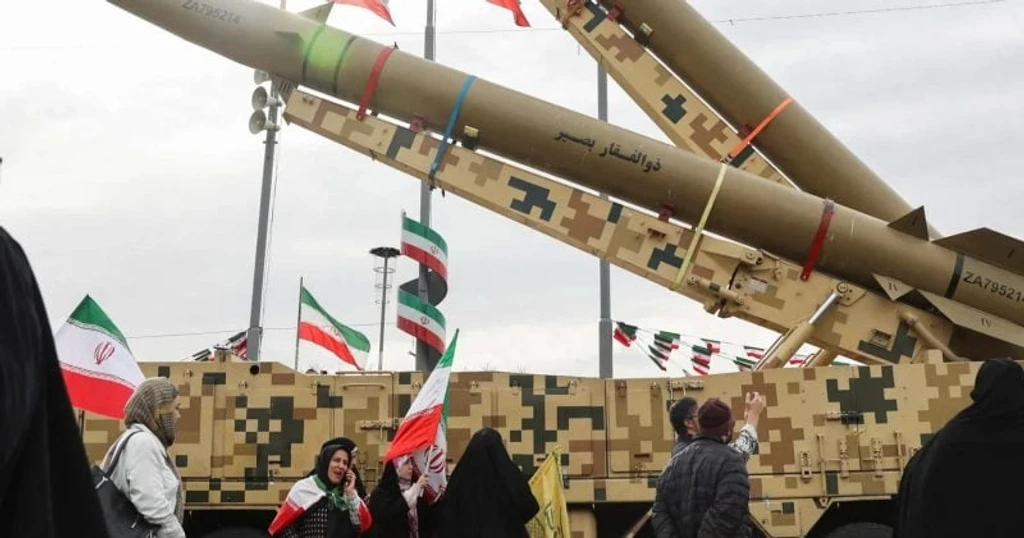
Iran launched multiple waves of ballistic missiles toward Israel on the night of June 7, retaliating for an Israeli airstrike on Hezbollah positions in Beirut’s southern suburbs. This marks the first direct military confrontation between the two nations since a US-brokered ceasefire took effect in early April.
Bitcoin reacted sharply, dropping to around $62,900 from weekend highs as traders rushed out of risk assets.
The missile strikes began around 10 PM local time, with Iran firing an estimated 10 to 30 ballistic missiles across three waves. Israeli forces, supported by the US military, intercepted most projectiles. No major casualties were initially reported.
The trigger was Israel’s airstrike on Hezbollah in Beirut, which Iran called a violation of red lines. The April 2026 ceasefire had held for roughly two months. Its collapse raises questions about regional diplomatic frameworks.
Bitcoin’s slide reflects a broader risk-asset selloff. US military involvement signals the conflict is not just a bilateral dispute.
Traders are now watching for diplomatic efforts to restore the ceasefire, oil price impacts, and on-chain data for whale accumulation during the dip. The $62,900 level is key support. Holding above it would suggest the market has priced in current tensions.