Iran's government has designated Bitcoin (BTC) as a payment method for oil shipments passing through the Strait of Hormuz, identifying it as a strategic, neutral asset. Sam Lyman, head of research at the Bitcoin Policy Institute (BPI), stated that Bitcoin's censorship-resistant nature, making it impossible to freeze or shut down, is the primary reason for its selection. Iran is accepting tolls in Chinese yuan, USD-pegged stablecoins, and BTC. However, BPI notes no onchain evidence of actual BTC toll payments has emerged, with the majority of Iran's crypto transactions still denominated in stablecoins.
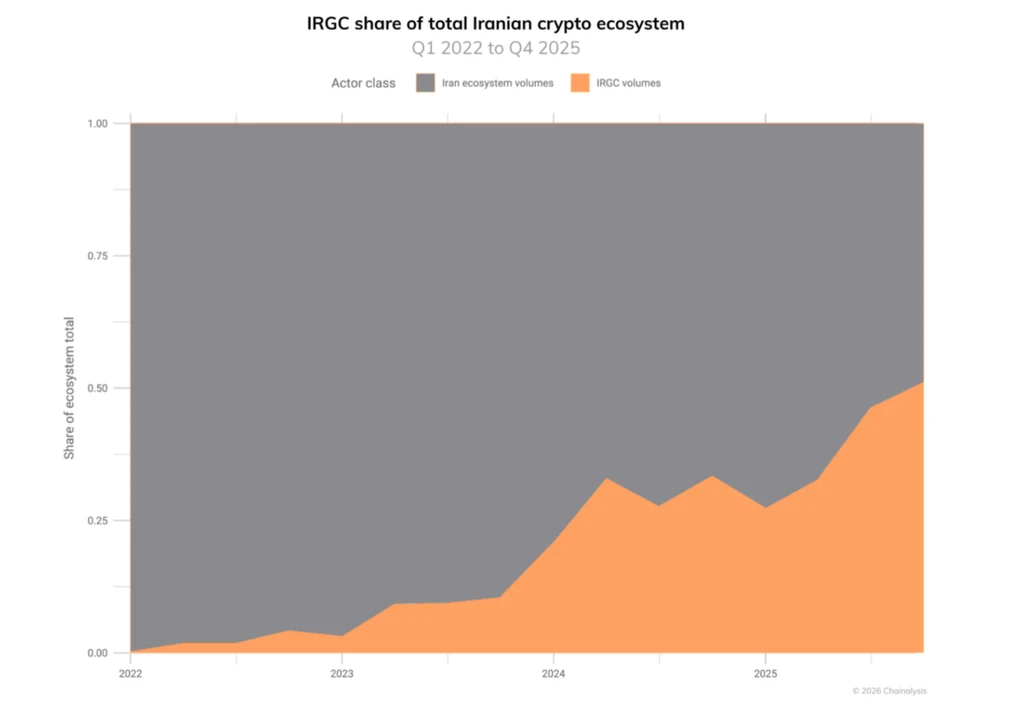
Lyman suggests that US lawmakers should recognize Bitcoin as a strategic asset rather than adopt a hostile regulatory approach. Despite the risk of stablecoin issuers freezing wallets, Iran continues to use them, having moved approximately $3 billion in crypto since 2022, primarily in stablecoins. The US Treasury has frozen about $600 million of these assets, indicating that a significant portion remains accessible, making stablecoins a preferred method for the Iranian regime.