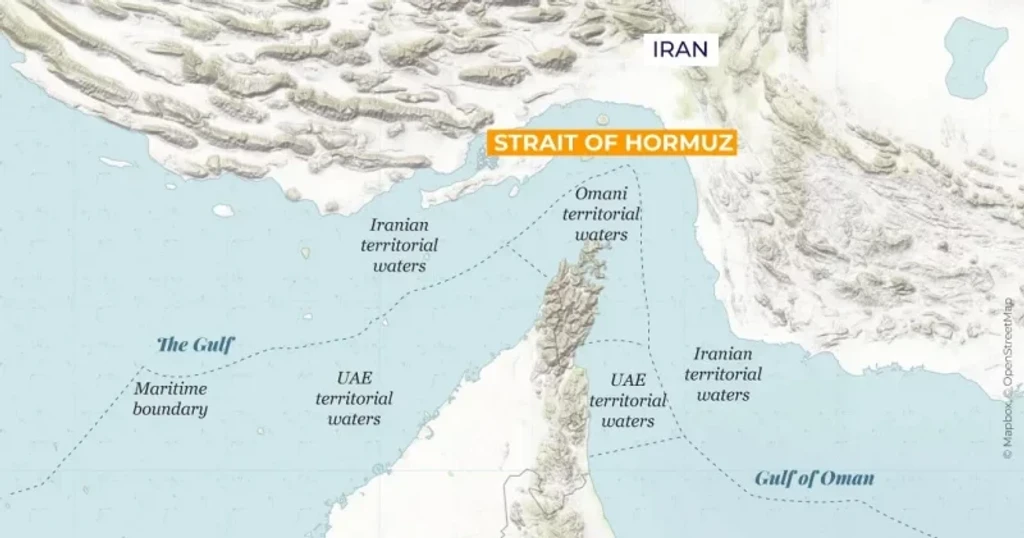
Iran has imposed a coercive access system on the Strait of Hormuz, charging over $1 million per vessel and effectively turning the critical waterway into a toll road with geopolitical conditions. Traffic has collapsed from 150 ships per day to under 20, cutting global crude supply by 11 million barrels daily.
This is not a blockade, but coercive access management backed by naval pressure. Shipping companies are rerouting around the Cape of Good Hope or anchoring vessels, delaying deliveries and raising costs. Beyond oil, the strait handles major LNG flows, threatening energy-dependent Asian economies like Japan and South Korea.
For crypto markets, the impact is severe. Higher energy prices drive inflation, forcing the Federal Reserve to keep rates elevated. Tight liquidity historically weighs on high-beta assets like Bitcoin, which tends to trade as a risk asset in the short term. Investors should monitor crude futures, inflation breakevens, and Fed signals.