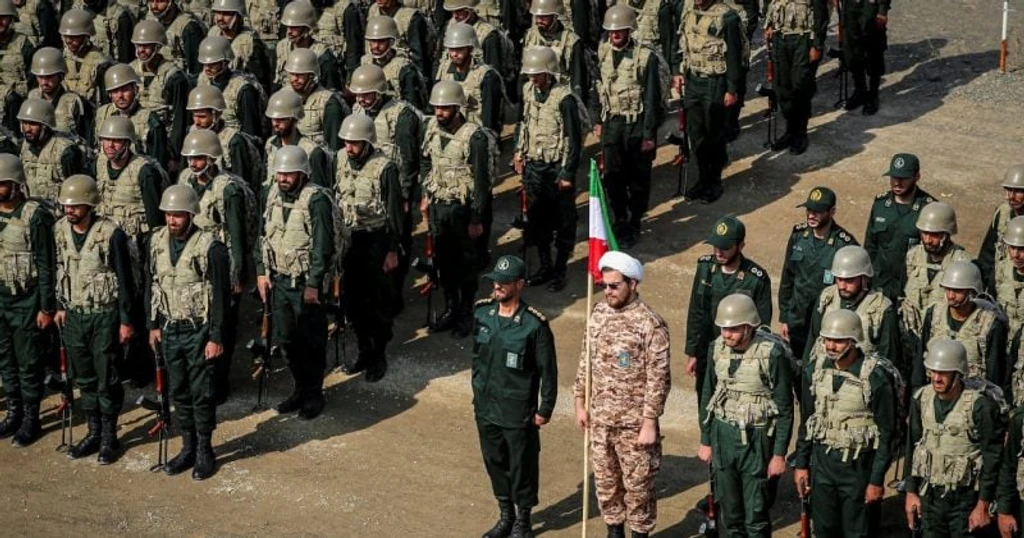
Iran's Islamic Revolutionary Guard Corps claims it struck a US radar system, drone hangar, and equipment depot at Ali Al Salem Air Base in Kuwait. The alleged attack, reported around July 13, has not been independently verified.
Ali Al Salem is a major logistics and air operations hub for US forces in the Middle East, making it a high-value strategic target.
The IRGC stated the operation used missiles and drones, framing it as part of a continuing campaign. Kuwait has faced escalating pressure since earlier strikes began in February 2026, leading to airspace closures and defensive measures.
The reports immediately impacted crypto markets. Bitcoin briefly fell toward $99.5K before partially recovering.
The event carries specific significance for digital assets. The IRGC and affiliated networks are major players in Iran's estimated $7.8 billion crypto market, heavily utilizing stablecoins for sanctions evasion. This creates a dual market dynamic: geopolitical uncertainty pressures risk assets like Bitcoin, while potential regulatory crackdowns on Iran-linked crypto flows could increase compliance costs and restrict stablecoin liquidity globally.
Investors are monitoring possible accelerated enforcement from the US Treasury and FinCEN. Any action targeting Iran-associated wallets could create broader industry-wide compliance ripples. Bitcoin's subsequent recovery indicates markets currently view this as a contained flare-up rather than a structural shift.