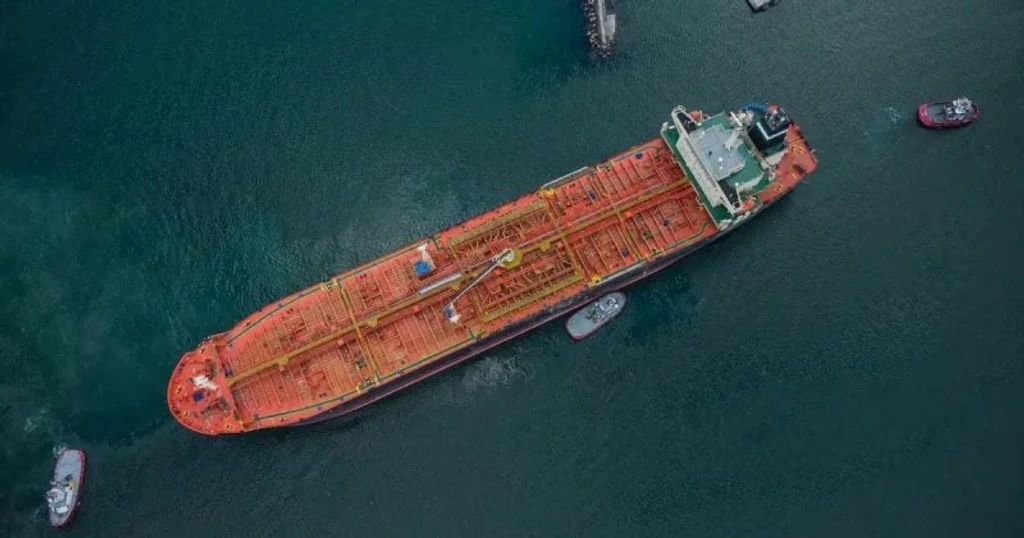
Iran has successfully navigated loaded oil tankers through the US naval blockade in the Strait of Hormuz. Between April 20 and April 21, 2026, at least 26 Iran-linked vessels, including 11 oil and gas tankers, crossed the cordon established by American forces just days earlier.
Key vessels such as the Hero II, Hedy, Diona, and Sonia I transported an estimated 3.8 to 5 million barrels of crude oil. This breach challenges the effectiveness of the blockade initiated on April 13 as part of the broader 2026 Iran conflict aimed at halting Iranian exports.
The enforcement initially reduced Iranian crude exports to a six-year low of approximately 260,000 barrels per day in May 2026. However, the US escalation that disabled two Iranian-flagged tankers contributed to global oil prices surging above $110 per barrel.
In response to financial restrictions, Iran has proposed using Bitcoin for Strait of Hormuz transit payments. The suggested rate is roughly $1 per barrel during temporary truces. This move potentially validates cryptocurrency as a censorship-resistant mechanism for international energy settlements.
Limited tanker movement resumed in mid-June following renewed diplomatic talks. Investors must now monitor whether these negotiations produce a formal framework legitimizing crypto-based transit payments or if supply disruptions will push crude prices significantly higher.