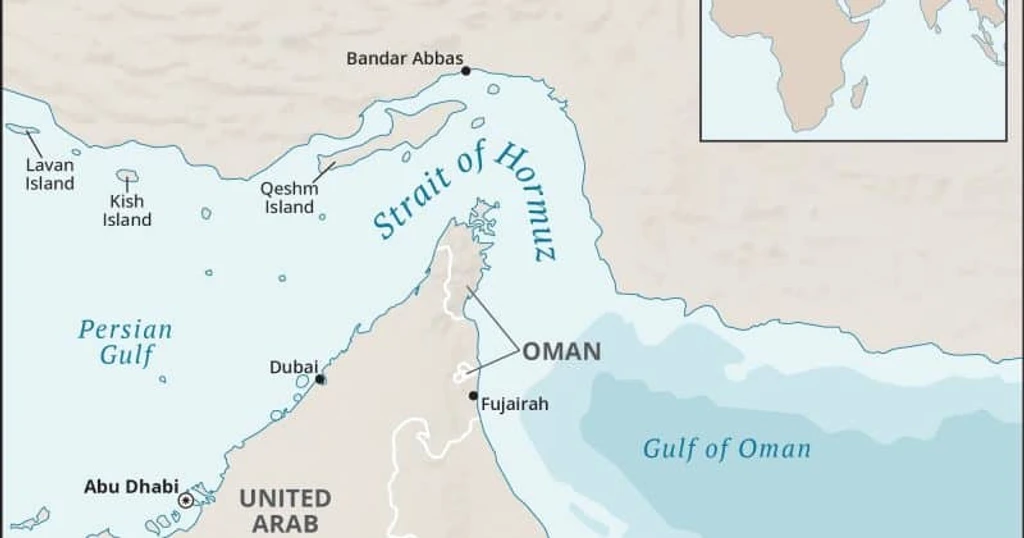
The Islamic Revolutionary Guard Corps Navy declared the Strait of Hormuz closed to all vessel traffic effective June 10, 2026. Tehran cites repeated US violations of a ceasefire agreement and an ongoing naval blockade as justification. This critical waterway carries approximately 25% of global oil and liquefied natural gas shipments.
Iran has implemented a parallel toll system accepting payment exclusively in Bitcoin, stablecoins, and Chinese yuan. Transit fees are estimated at one dollar per barrel of oil or two million dollars per vessel. Payments route directly through IRGC intermediaries, bypassing traditional Western financial infrastructure.
This shutdown follows earlier closures in March and April 2026. Iranian forces seized two ships in early June, reducing shipping traffic to near-zero levels during peak crisis periods. The pattern indicates a strategic escalation rather than isolated incidents.
Tehran launched a Bitcoin-backed insurance service for transiting vessels in May 2026. This initiative creates independent financial rails anchored to physical chokepoint control. It represents a significant state-level deployment of cryptocurrency infrastructure specifically designed for sanctions evasion.
Global energy markets face immediate supply shock scenarios. Crude and natural gas price volatility is expected to rise as a quarter of world supply flows through this contested corridor. Stablecoin issuers like Tether and Circle now face intense pressure regarding token flows through sanctioned intermediaries.