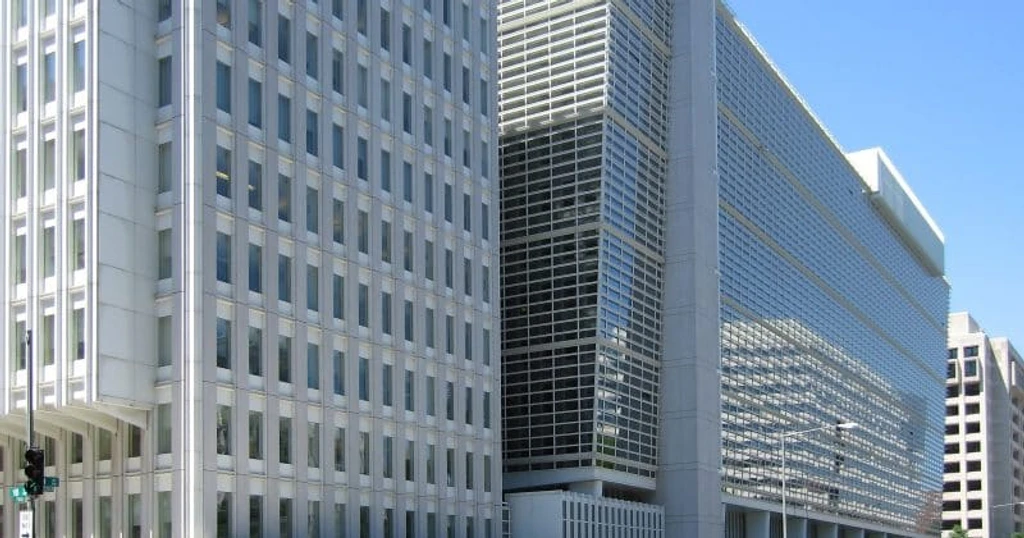
The World Bank projects global GDP growth will slow to just 2.5 percent in 2026, warning that escalating military conflict involving Iran is triggering a historic economic downturn. The crisis intensified on March 4 when the Strait of Hormuz closed, sending Brent crude past 120 dollars a barrel. The International Energy Agency now classifies this as the largest oil supply shock on record.
World Bank Chief Economist Indermit Gill says the economic damage is arriving in sequential waves. Surging energy costs are driving up food prices, fueling broad inflation, and straining debt levels across vulnerable emerging markets. Iran’s economy has already contracted nearly three percent, while Gulf Cooperation Council states are battling severe food import disruptions and face potential double-digit GDP declines.
The International Monetary Fund corroborates the bleak outlook, cutting its baseline global growth forecast to 3.1 percent. If hostilities persist, that figure could drop below two percent. Beyond traditional markets, the energy spike is inflating operational costs for proof-of-work cryptocurrency mining, while renewed inflation pressures are complicating central bank interest rate trajectories.