
The recent exploit of the Kelp liquid restaking protocol underscores the dangers of non-isolated lending and intricate integrations within decentralized finance (DeFi), according to crypto industry executives and blockchain security experts. Michael Egorov, founder of Curve Finance, explained that non-isolated lending on DeFi platforms exposes users to risks across all collateralized tokens. He emphasized the need for DeFi teams to rigorously vet digital assets before accepting them as collateral, specifically looking for single points of failure.
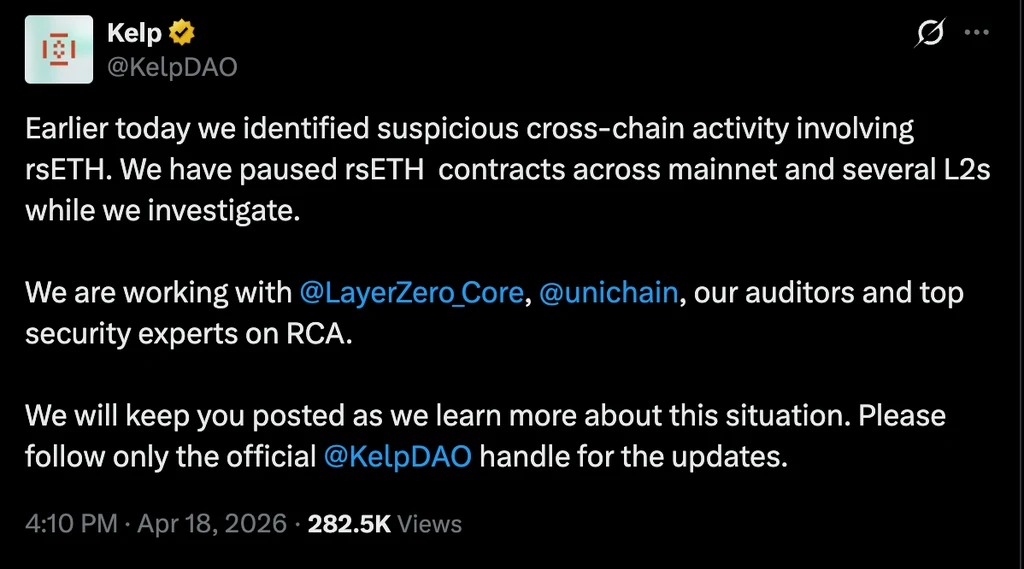
Egorov also cautioned against the use of cross-chain bridging architecture for asset transfers, identifying it as the root cause of the Kelp exploit. He advised extreme care and necessity-driven usage of such infrastructure. The incident is viewed as a critical learning experience for the DeFi sector, prompting calls for enhanced cybersecurity measures amid significant Q1 2026 losses from crypto hacks.
Blockchain security firm Cyvers reported the Kelp exploit triggered a "cross-protocol contagion event," affecting at least nine DeFi protocols including Aave, Fluid, Compound Finance, SparkLend, and Euler. These platforms took immediate action to freeze rsETH markets or mitigate the fallout.
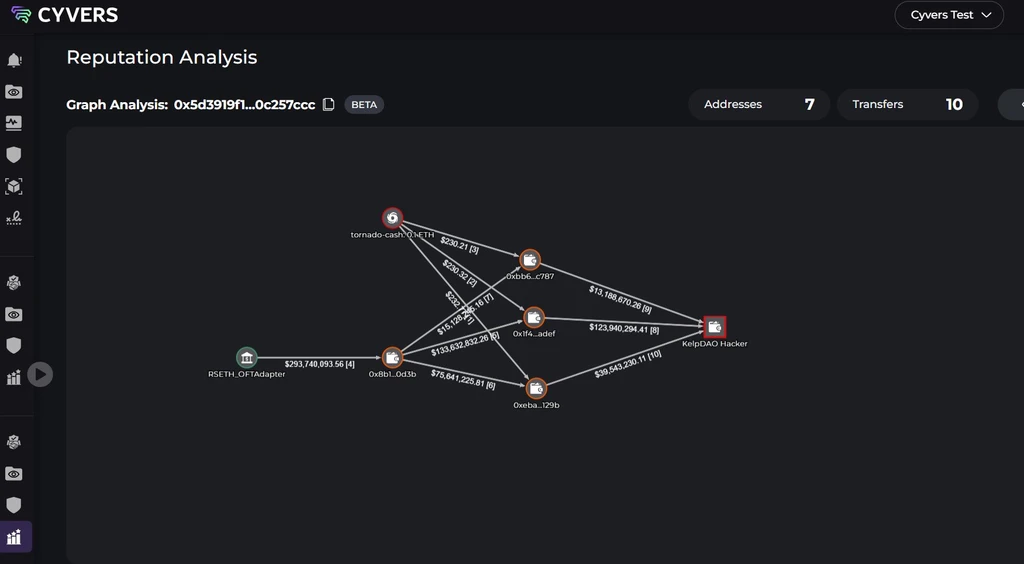
Cyvers CEO Deddy Lavid noted the challenge now extends beyond individual contract exploits to understanding the rapid cascade effects across integrated protocols. This event follows recent significant hacks, including the Drift Protocol decentralized exchange hack and numerous other DeFi exploits.