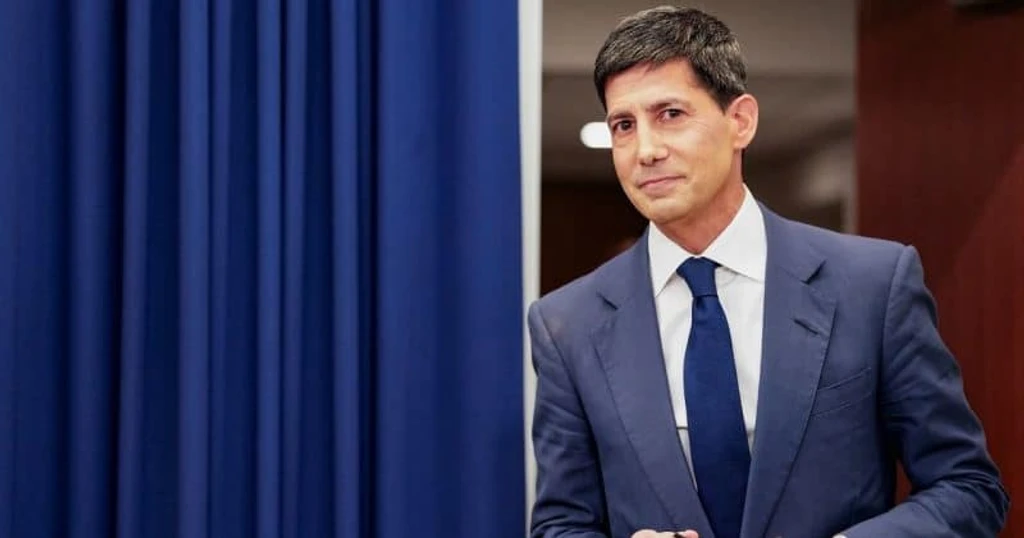
Federal Reserve Chair Kevin Warsh used his first FOMC meeting to signal a definitive end to the era of gentle market guidance. On June 17, the central bank held the federal funds rate steady at 3.5% to 3.75% while unveiling five task forces designed to overhaul communications, balance sheet management, data handling, productivity analysis, and inflation frameworks.
Warsh, who previously served as a governor during the financial crisis, is executing what many view as a regime change. His primary objective is shrinking the Fed’s footprint in financial markets and moving away from forward guidance. This strategic pivot removes a key signal mechanism for traders, injecting significant uncertainty into global asset pricing models.
The newly formed task forces target core operational functions rather than serving as bureaucratic placeholders. The balance sheet group aims to accelerate the unwinding of pandemic-era holdings, reversing interventions Warsh argues distort price discovery. Simultaneously, the inflation framework review threatens to dismantle the flexible average targeting adopted in 2020, reflecting Warsh’s longstanding view that inflation remains a policy choice.
Despite previously calling Bitcoin "the new gold" and holding past investments in Solana and dYdX, Warsh’s hawkish stance has pressured digital assets. A Federal Reserve prioritizing inflation suppression over liquidity creates structural headwinds for risk assets. Investors betting on imminent rate cuts must now recalibrate expectations as the next monetary move could be upward rather than downward.
This administration presents a complex paradox for the digital asset sector. The most crypto-literate Chair in history may preside over a period deeply challenging for short-term prices. Understanding blockchain technology does not equate to enacting monetary policy that supports speculative valuations during a tightening cycle.