Mastercard is upgrading its payment infrastructure by integrating stablecoins for back-end settlement, a move designed to modernize how card transactions are processed.
Through a partnership with SoFi Technologies, Mastercard is enabling SoFi Bank to use its dollar-backed stablecoin, SoFiUSD, for settling credit and debit card transactions. Galileo, SoFi’s payments platform, will also allow other banks and fintech issuers to adopt stablecoin settlement via Mastercard’s system.
This stablecoin settlement focuses on the post-transaction clearing stage, meaning consumers will continue to use their cards as usual. The underlying settlement between banks, however, may occur using blockchain-based digital assets. Mastercard's Multi-Token Network (MTN) is designed to support various tokenized forms of money, including stablecoins and tokenized deposits.
This strategic integration allows financial institutions to settle transaction obligations using digital dollars instead of relying solely on traditional fiat transfers. Stablecoins, operating on blockchain infrastructure, offer the potential for 24/7 settlement, independent of traditional banking hours, which could reduce delays in cross-border payments and improve liquidity management.
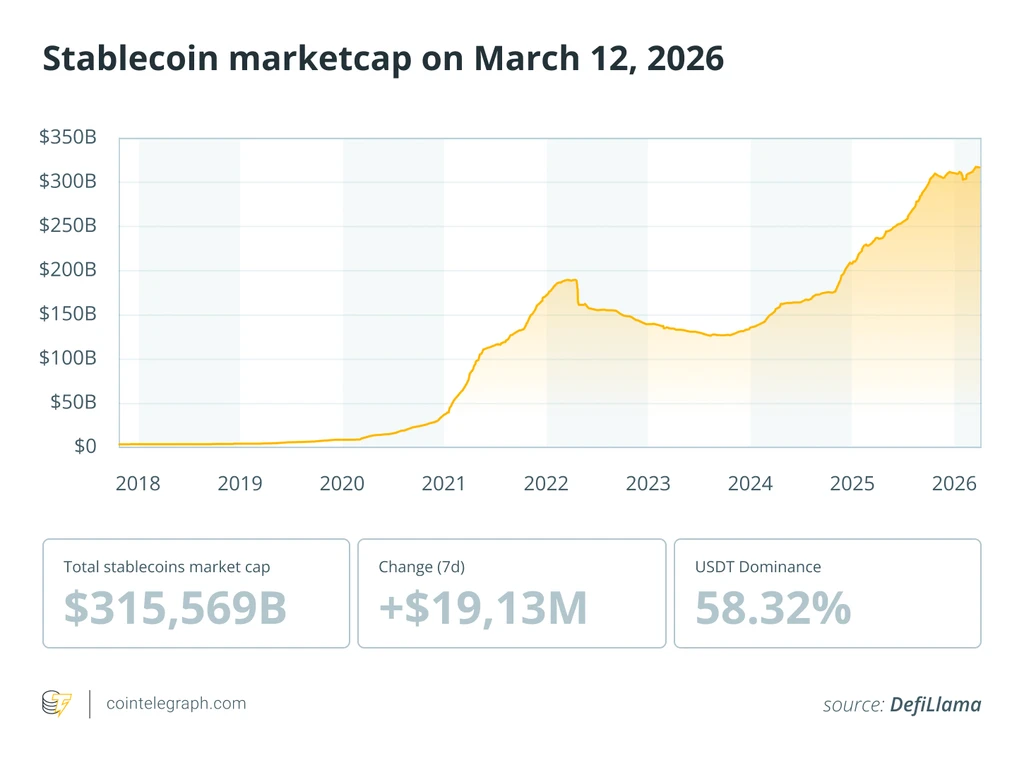
Mastercard's entry into the stablecoin space acknowledges the significant growth and potential of digital assets. With the stablecoin market valued at approximately $314 billion as of March 2026, the company positions itself as a connector between traditional finance and digital asset networks. This move aims to ensure Mastercard remains central to the evolving digital payments ecosystem.
Regulation remains a crucial factor for widespread adoption. Financial institutions require clear frameworks addressing reserve backing, redemption guarantees, AML compliance, and operational resilience. The use of SoFiUSD, issued by a regulated US bank, is seen as a step towards building confidence among regulators and institutions.
Despite potential challenges like integration complexity and regulatory differences, Mastercard is not looking to replace traditional payments but rather to upgrade its underlying infrastructure. By integrating regulated stablecoins, the company is preparing for a more digital economy, aiming for a system that is faster, more flexible, and available around the clock, without altering the consumer checkout experience.