Wall Street’s largest exchanges are transforming the $126 trillion equity market by moving it onto blockchain infrastructure. Nasdaq is developing a framework to tokenize publicly traded stocks, allowing companies to issue digital share versions while preserving ownership rights. The exchange is partnering with Payward, parent of crypto platform Kraken, to distribute these assets globally, with a launch expected by mid-2027.
Meanwhile, Intercontinental Exchange (ICE), owner of the New York Stock Exchange, has made a strategic investment in crypto exchange OKX at a $25 billion valuation. The deal includes plans for tokenized stocks and crypto futures, tapping into OKX’s 120 million users.
These moves point to the rise of the "everything exchange"-a unified, always-on marketplace where all asset classes could trade on blockchain rails. The shift is fueled by a January SEC statement confirming that tokenized equities carry the same legal weight as traditional shares.
The relationship between traditional and crypto exchanges is complex-both rivals and partners. Traditional players gain access to crypto traders; crypto platforms gain credibility and scale.
Tokenized stocks offer continuous price discovery, improved liquidity, and new DeFi lending opportunities. Connecting legacy and onchain liquidity pools could solve long-standing issues in the market.
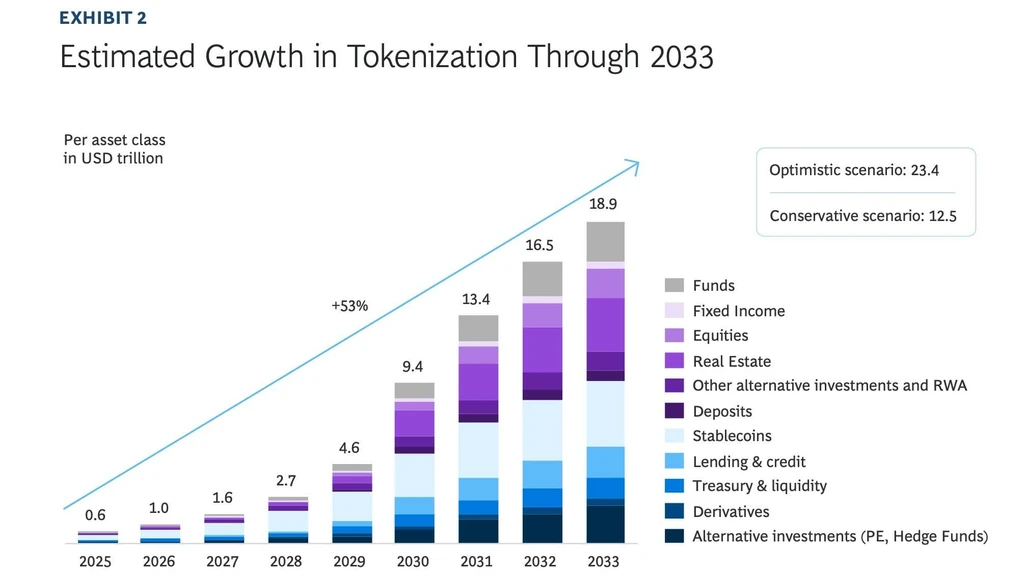
The market for tokenized stocks has tripled since mid-2025, driven by issuers like Kraken, Ondo Finance, and Robinhood. Experts predict rapid growth, with tokenized assets potentially reaching $18.9 trillion by 2033.