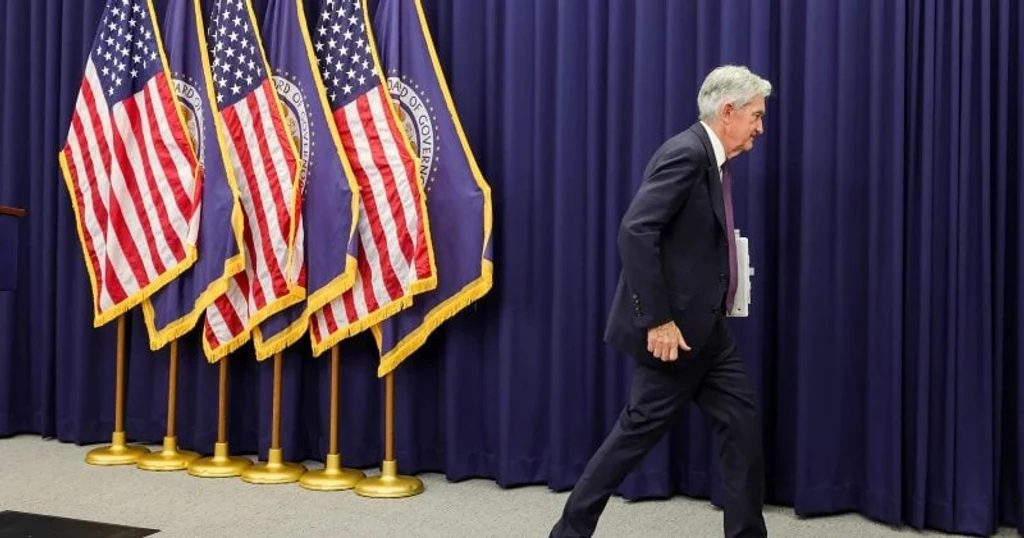
Jerome Powell delivered a stark warning: if a sitting president could dismiss Federal Reserve officials over policy disagreements, the institution's credibility would collapse. Powell stated that removing officials for policy differences is "not permitted under the law," a reminder that should be unnecessary but has become essential.
President Trump has repeatedly threatened to fire Powell, creating a slow-burning confrontation. Powell's term as Fed Chair expired on May 15, 2026, but he has pledged to remain on the Board of Governors through 2028. A DOJ investigation into a $2.5 billion renovation at Fed headquarters adds political complexity. Attempts have also been made to remove Fed Governor Lisa Cook over separate allegations.
Central bank independence is crucial. Countries where central banks answer to the executive branch often see higher inflation, less predictable monetary policy, and weaker currencies. If investors believe the president can demand rate cuts before an election, they price in political risk, making borrowing more expensive for everyone.
For crypto, the connection is indirect but meaningful. Digital assets have become rate-sensitive. If real interest rates become unpredictable, capital flows into and out of assets like Bitcoin and Ethereum accelerate. Bitcoin's original thesis was built on distrust of centralized monetary authorities-a compromised Fed would give that narrative fresh ammunition.
The key variable isn't whether Powell keeps his job; it's whether the legal framework protecting Fed officials survives intact.