
Pakistan's parliament has passed the Virtual Assets Act of 2026, legally formalizing oversight of the country's crypto industry and establishing compliance and anti-money laundering regulations. The legislation creates the Pakistan Virtual Assets Regulatory Authority (PVARA) as the nation's digital asset regulator.
PVARA is empowered to enforce licensing requirements and oversee digital asset service providers. The authority is also tasked with implementing anti-money laundering provisions and ensuring compliance with international sanctions.
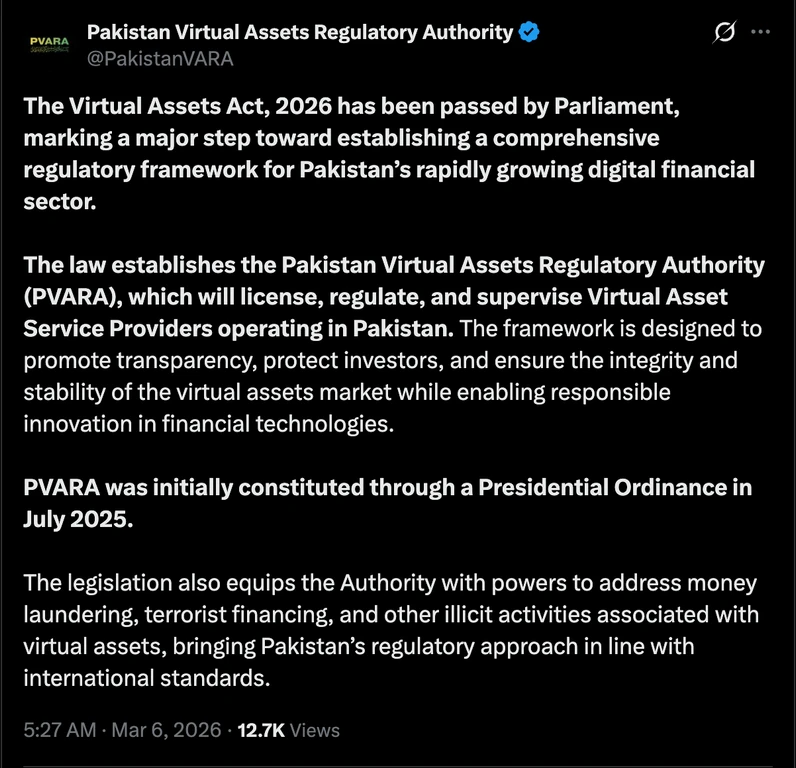
The bill, having passed both the Senate and the National Assembly, awaits the signature of Pakistan President Asif Ali Zardari to become law. This move represents a significant policy shift, following the government's November 2024 decision to regulate cryptocurrencies, reversing previous skepticism.
Pakistan has also announced a Bitcoin strategic reserve and allocated 2,000 megawatts of electricity for mining and AI data centers. Digital assets are viewed as a foundation for a "new financial rail for the global south," with blockchain technology deemed critical infrastructure.
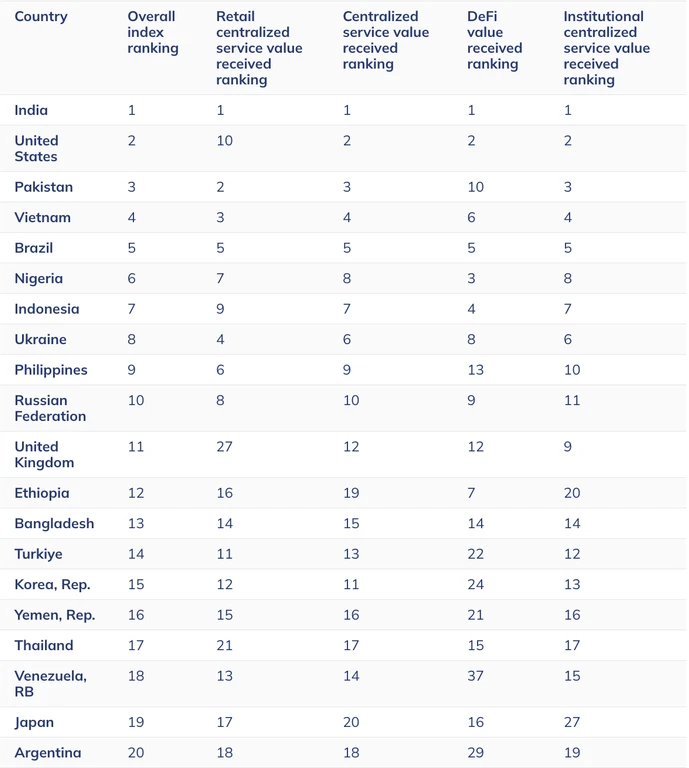
In January, an agreement was signed to explore the use of a USD1 stablecoin for digital payments, including cross-border transactions. Experts suggest Pakistan could emerge as a global digital asset hub by 2030.