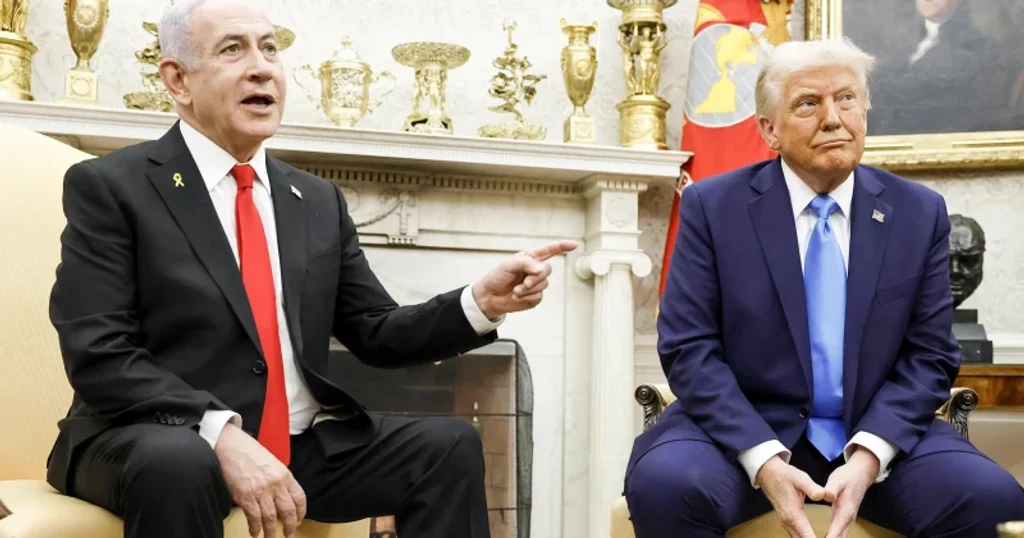
Senior Republican senators have publicly broken with President Trump over the emerging US-Iran ceasefire framework, calling it a “disastrous mistake.” Ted Cruz, Lindsey Graham, and Roger Wicker warned the reported terms would embolden Tehran and leave Israel exposed.
The rare intra-party revolt escalated after Trump stated that a memorandum of understanding with Iran had been “largely negotiated” and was awaiting finalization.
The political fracture centers on the memory of the 2015 JCPOA. The senators argue a 60-day ceasefire would ease pressure on Iran without securing meaningful concessions on its nuclear program or regional proxies. They also flagged the deal would guarantee unrestricted navigation through the Strait of Hormuz, through which roughly 20% of the global oil supply flows daily.
For crypto markets, the geopolitical drama is already moving prices. Bitcoin surged past $78,000 during the initial wave of ceasefire optimism, reaching its highest level in 10 weeks-a gain of over 2% in a single session.
Oil prices dropped sharply on the announcement. Cheaper energy lowers input costs across the economy, reduces inflationary pressure, and creates a friendlier backdrop for loose monetary conditions that historically fuel crypto rallies.
Approximately $344 million in digital assets currently sit frozen due to sanctions connected to the Iran conflict. That represents real liquidity locked out of markets and real compliance challenges for exchanges, custodians, and traders interacting with flagged wallets.
Any ceasefire leading to sanctions relief could theoretically unlock some of those assets, adding liquidity. For DeFi protocols, the tension between permissionless finance and nation-state sanctions regimes gets sharper with every escalation cycle.
Cruz, Graham, and Wicker aren’t backbenchers. They chair key committees and can influence any formal agreement’s ratification. Investors should watch the frozen $344 million as a leading indicator. Any OFAC guidance on relief could signal a broader thaw benefiting exchange-listed tokens and DeFi protocols with Middle Eastern exposure.
The Strait of Hormuz dimension adds another variable. If navigation remains unrestricted, oil stays subdued. If the hawks strip that provision, energy markets get nervous again, and the correlation trade works against digital assets.