
Stablecoins are behaving like a fragmented foreign exchange market, with liquidity spread across various blockchains and pools. This fragmentation leads to price differences and uneven access to dollar liquidity, according to Ryne Saxe, CEO of stablecoin infrastructure company Eco.
While moving stablecoins appears simple, transactions often involve multiple steps across different chains and pools. Saxe described this as a "special case of a foreign exchange market onchain," resulting in a poor user experience with unexpected slippage and transaction issues.
With a market capitalization exceeding $320 billion, led by Tether (USDt) and Circle (USDC), stablecoins are seeing increased institutional interest. However, moving large sums of these assets has become more complex.
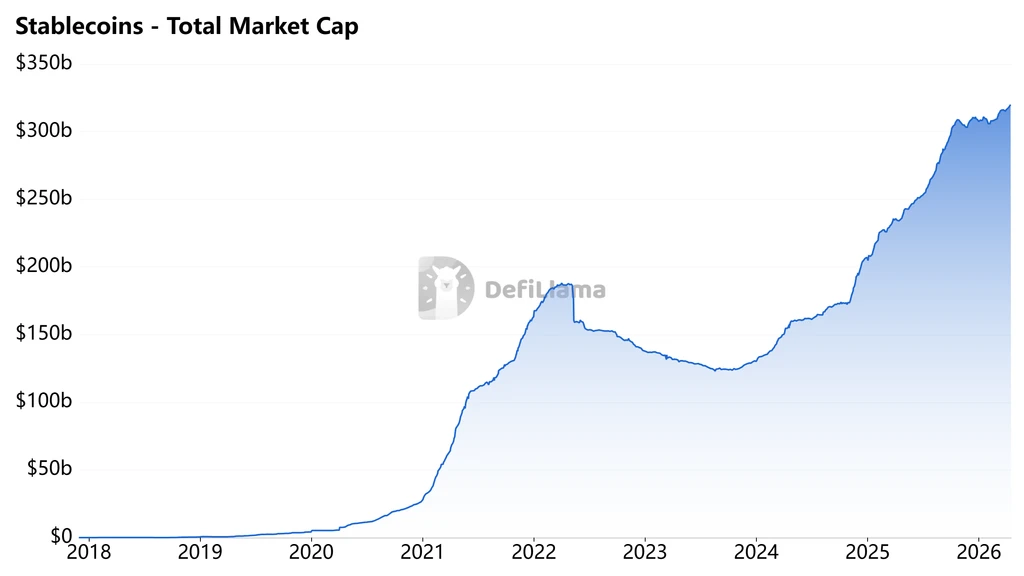
Stablecoins are not as fungible as they seem. While pegged to the dollar, they do not trade as a unified asset. Liquidity is divided among issuers, blockchains, and DeFi venues, each with unique depth and pricing. "The different profiles between those markets mean pricing and moving stablecoins seamlessly and efficiently across them is actually a hard problem that people take for granted," Saxe noted.
These differences, often negligible for small transactions, widen significantly for larger trades. Saxe stated, "The more major DeFi markets focus on stablecoins, the more chains focus on stablecoins, the more stablecoin assets there are, the more fragmented."
A report by payments startup Borderless found that pricing divergence in stablecoins largely depends on the source of liquidity. While USDC and USDT generally trade closely, larger differences emerge at the provider level, impacting execution quality.
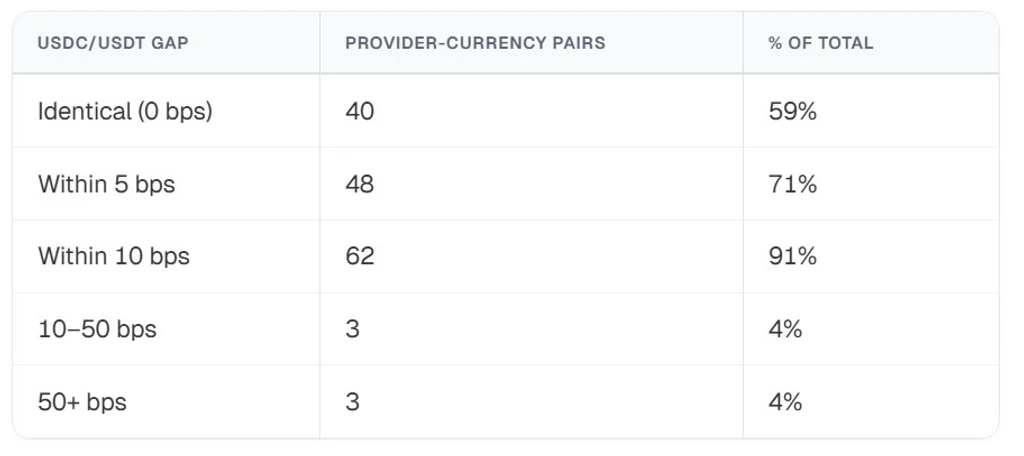
For institutions handling tens of millions of dollars, these market structures pose challenges. Moving large amounts requires breaking transactions into multiple branches, routing differently and converging at the destination. This fragmentation means navigating multiple chains, issuers, and venues, each with distinct liquidity conditions, introducing uncertainty into execution.
Saxe emphasized the need for infrastructure to address these gaps, rather than simply increasing supply. Companies like Circle are building new FX systems, while Eco focuses on routing and execution by aggregating liquidity. The core issue remains the distributed and uneven liquidity behind stablecoins across multiple chains and issuers.
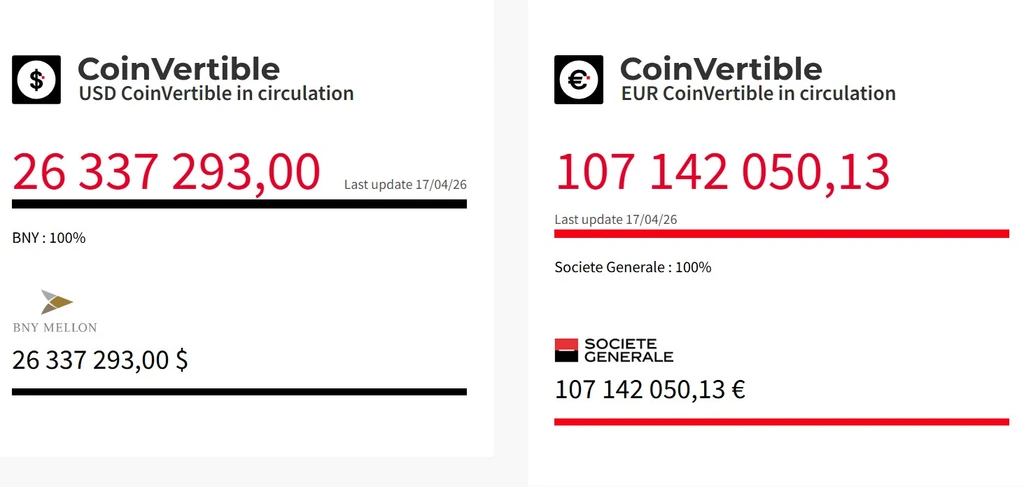
This complexity limits how much capital institutions can move onchain. Saxe concluded that stablecoin flows must become far more predictable to build the necessary risk management and trust for large onchain holdings.