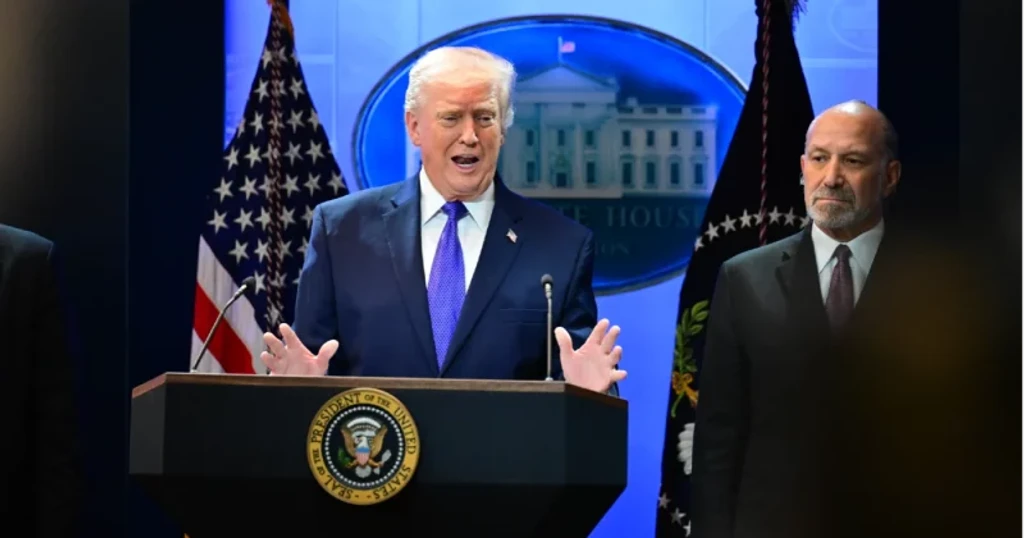
The Trump administration is building a permanent tariff machine. After the Supreme Court blocked its use of emergency economic powers, the White House has turned to Section 301 of the Trade Act of 1974. On March 11, 2026, the US Trade Representative launched two major investigations: one targeting excess industrial capacity across 16 economies, and another examining forced labor practices spanning 60 economies. These bring the total active Section 301 probes under this administration to four.
The original tariff strategy relied on the International Emergency Economic Powers Act (IEEPA), but the Supreme Court ruled that IEEPA could not serve as a blank check for tariff policy. Now, the administration is creating a standing tariff authority without congressional approval.
Cryptocurrency and digital assets are not explicitly mentioned, but the impact is significant. Bitcoin mining and crypto infrastructure depend on semiconductors and specialized hardware manufactured in economies under investigation. Existing Section 301 tariffs on Chinese goods already raised costs for ASIC miners. Fresh investigations could add further duties, squeezing margins after the 2024 Bitcoin halving.
One active investigation targets digital services taxes imposed by countries like France and the UK. Retaliatory tariffs could alter the compliance landscape for fintech and digital asset firms operating internationally.
Trade policy authority belongs to Congress under Article I of the Constitution. By maintaining overlapping investigations across dozens of countries, the administration creates a kind of standing tariff authority that bypasses Congress.