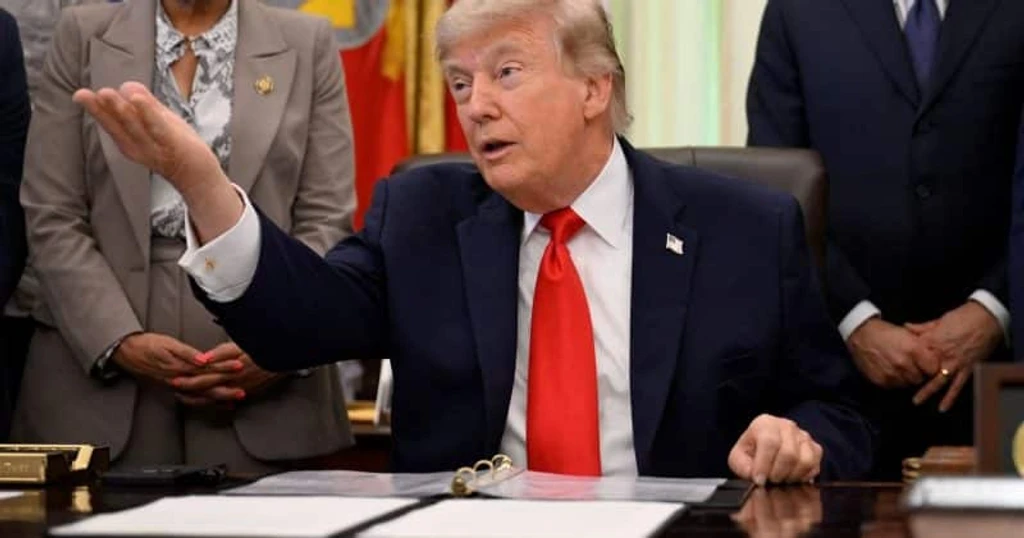
President Donald Trump announced the cancellation of scheduled military strikes against Iran on June 11, citing that a diplomatic agreement with Tehran is nearing completion. The decision follows consultations with Iranian officials and approval from regional allies, including Israel and Saudi Arabia.
In a statement on Truth Social, Trump characterized the potential accord as "strong and powerful," suggesting the Strait of Hormuz could reopen within days. This geopolitical de-escalation triggered immediate market reactions, with Bitcoin surging past $63,000 on waves of peace optimism.
The pivot marks a sharp reversal from earlier tensions. After Iran downed a US Apache helicopter near the Strait of Hormuz, Trump initially threatened severe retaliation. However, backchannel negotiations progressed rapidly, with documents reportedly in "pretty final shape." Iranian officials remain skeptical of US reports regarding the agreement's immediacy.
Market dynamics during this crisis highlight Bitcoin's sensitivity to macro-political signals. Peace announcements drive rallies, while escalation threats cause declines. A finalized deal would likely further elevate Bitcoin as risk appetite expands globally. Conversely, collapsed talks could trigger significant downward pressure.
Investors are closely monitoring the Strait of Hormuz, through which approximately 20% of global oil supply passes. Its reopening would ease energy prices and reduce inflation fears, creating a favorable macroeconomic backdrop for risk assets including cryptocurrency.
Traditional markets are also reacting, with movements in oil prices, defense stocks, and Middle Eastern currency pairs dominating the narrative. For crypto investors, external macro factors currently outweigh on-chain fundamentals in driving short-term price action.