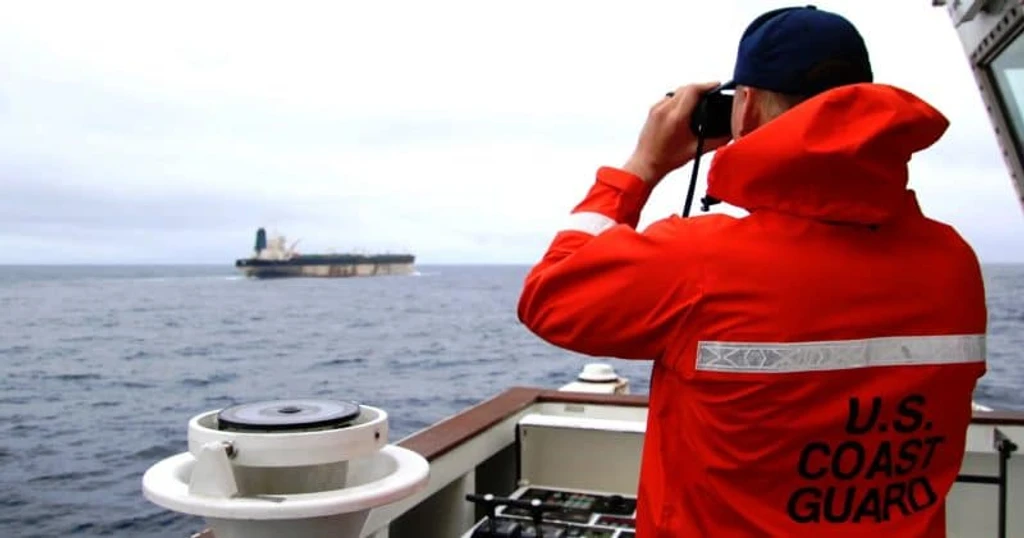
The United Kingdom has escalated its campaign against Russia’s shadow fleet, transitioning from surveillance to active interdiction. Prime Minister Keir Starmer authorized armed forces and law enforcement to board and detain vessels violating sanctions within British territorial waters on March 25, 2026.
Since that directive, data indicates 184 UK-sanctioned vessels have completed 238 journeys through the English Channel. The operation marks a significant shift in Western strategy to choke off Moscow’s oil revenue streams.
In January 2026, HMS Mersey and HMS Severn shadowed a Russian corvette and the tanker MT General Skobelev. The most direct confrontation occurred on June 1, 2026, when the French navy, supported by UK assets, boarded and redirected the tanker Tagor in the Atlantic. Russia condemned the action as illegal piracy.
Russia’s shadow fleet consists of hundreds of aging tankers registered under flags of convenience. These vessels operate outside Western insurance frameworks, often turning off transponders to avoid tracking. They frequently conduct ship-to-ship transfers at sea to obscure cargo origins.
A critical component of this evasion network is financial. Crew members aboard these tankers are reportedly paid between $2,000 and $3,000 per month in Tether’s USDT stablecoin. This payment method bypasses the SWIFT network and correspondent banks that typically enforce sanctions compliance.
Reports suggest some of these funds originate from Bitcoin mining operations. This creates a complete pipeline: Russian energy resources generate Bitcoin, which is converted to USDT for payroll. While Tether cooperates with law enforcement to freeze sanctioned wallets, the scale of stablecoin usage in this sector appears larger than previously understood.
This development highlights the growing intersection of geopolitical conflict, maritime security, and cryptocurrency infrastructure.