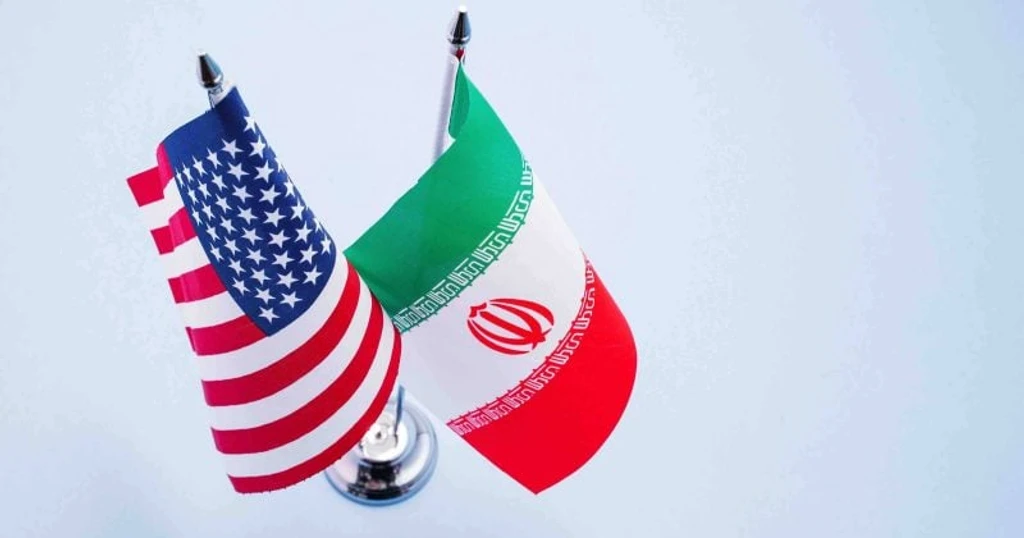
The United States and Iran are preparing to electronically sign a memorandum of understanding as early as Wednesday. This agreement would immediately activate provisions regarding the Strait of Hormuz, marking the most significant diplomatic breakthrough between the nations in months.
Mediated by Pakistan and Qatar, the framework extends the current ceasefire and reopens the strait to commercial shipping. Roughly one-fifth of global oil transits this critical waterway. The deal also initiates a structured 60-day negotiation window focused specifically on Iran’s nuclear program.
While a formal ceremony is scheduled for June 19 in Geneva, the remote signing effectively activates the agreement ahead of that date. Key figures driving the process include President Donald Trump, Vice President JD Vance, and Iranian Parliament Speaker Mohammad-Bagher Ghalibaf. Complex issues like verification protocols remain deferred to the upcoming negotiation period.
Financial markets have responded swiftly to the de-escalation signals. Bitcoin and Ethereum rallied as traders interpreted the diplomatic progress as a catalyst for broader risk appetite. Investors now view the 60-day window and potential sanctions adjustments as the primary variables to monitor.
Analysts characterize this memorandum as a tactical measure to create space for deeper talks rather than a definitive resolution. With the 2015 JCPOA serving as a historical precedent for fragile agreements, market participants should temper expectations while watching the Geneva ceremony as the next major milestone.