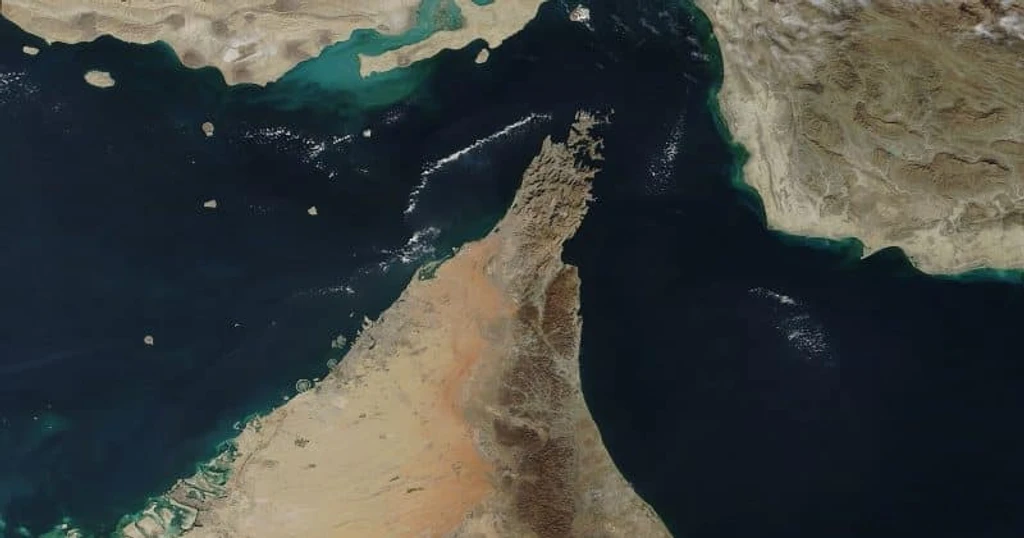
The United States and Iran have signed a 14-point memorandum of understanding that lifts the American naval blockade on Iranian ports and reopens the Strait of Hormuz to commercial traffic. Brokered by Pakistan and Qatar, the agreement was electronically signed by President Donald Trump and Iranian President Masoud Pezeshkian in mid-June, with a formal ceremony scheduled for June 19.
Financial markets reacted immediately to the de-escalation. Bitcoin rose approximately 3% to $66,000 as geopolitical risk premiums evaporated. Conversely, oil prices fell nearly 5% as the chokepoint handling roughly 25% of global oil trade moved toward normalization.
The Islamabad MoU mandates Iran restore shipping traffic through the Strait of Hormuz to pre-war levels within 30 days. In exchange, the US must immediately lift the naval blockade imposed in April. Beyond maritime logistics, Iran pledged not to develop nuclear weapons, with broader sanctions relief negotiations deferred to subsequent talks.
During earlier conflict phases, Iran utilized cryptocurrency to collect toll payments when traditional banking rails were severed. American authorities subsequently cracked down on $344 million in related financial activities targeting these blockchain channels. This enforcement action signals continued US vigilance regarding crypto-facilitated sanctions evasion despite the new diplomatic framework.
Investors should note this agreement remains preliminary. The 30-day window for restoring traffic is the first tangible test. If shipping volumes normalize and the blockade lifts cleanly, expect further downward pressure on oil and continued tailwinds for risk assets including Bitcoin.