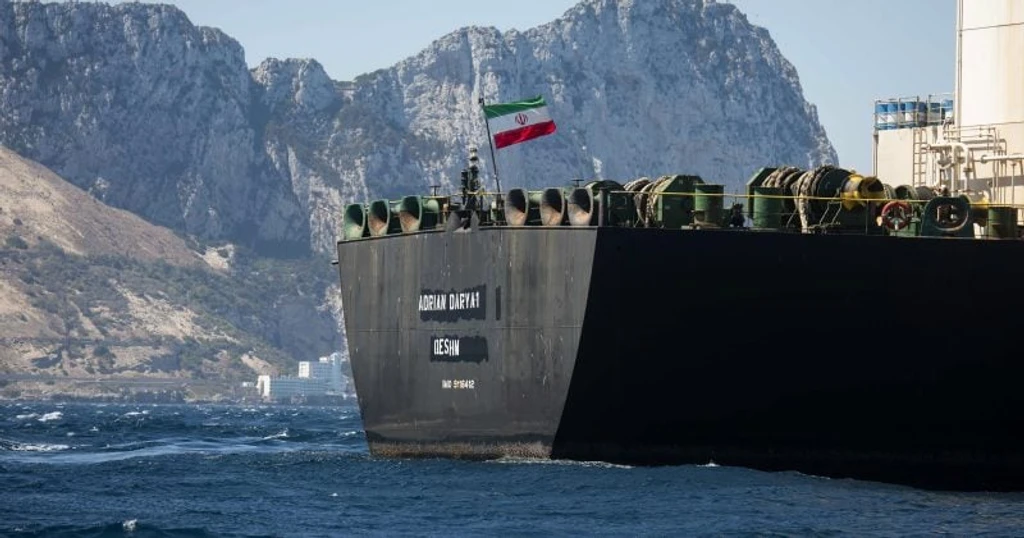
The US Treasury Department is preparing to issue waivers on Iranian oil sanctions under a sweeping draft agreement with Tehran. This development triggered an immediate drop in oil prices and injected fresh risk appetite into global markets.
A senior Iranian official confirmed the draft memorandum of understanding outlines terms for resuming oil exports and accessing locked revenue. Key provisions include the immediate reopening of the Strait of Hormuz and a phased removal of the US naval blockade within 30 days.
Under the proposed terms, $25 billion in frozen Iranian assets would be released. In exchange, Iran commits to halting its nuclear weapons program and freezing uranium enrichment during negotiations. These measures would effectively end years of isolation from legitimate global energy trade.
Brent crude responded instantly, dropping to a three-month low below $79 per barrel. Official waivers would replace gray-market workarounds with transparent trade channels, significantly increasing global supply liquidity.
Financial markets are interpreting lower oil prices as a potential catalyst for Federal Reserve rate cuts. Bitcoin remained stable near $66,000, while decentralized finance tokens like Uniswap surged 22% as investors rotated into riskier assets based on easing inflation expectations.
However, the agreement remains theoretical until formal signing and implementation. Investors should monitor the 30-day blockade phase-out and the actual release schedule of frozen assets as primary indicators of genuine economic normalization.