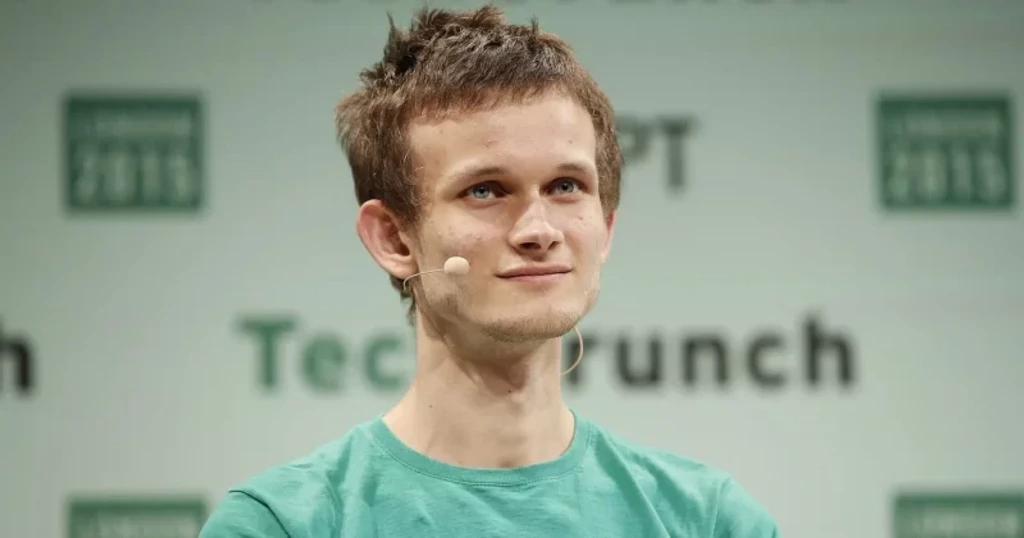
Ethereum co-founder Vitalik Buterin is calling on Europe to stop trying to copy Silicon Valley and instead embrace open-source technology as its competitive advantage.
Speaking on May 28, Buterin argued that Europe's best path to leadership in tech and artificial intelligence lies in building transparent, auditable systems rather than the proprietary "walled gardens" favored by North American giants.
Buterin has long advocated for what he calls "full-stack openness and verifiability," a framework that demands every layer of a technology stack be open to inspection. He has also introduced the concept of "sanctuary technologies"-open-source ecosystems designed to resist outside pressure, protect privacy, and run AI locally.
He personally runs the open-source AI model Qwen3.5:35B on his own hardware to avoid the privacy risks of cloud-based services.
Buterin's message is cultural and philosophical, not commercial-there was no mention of any specific companies, protocols, or tokens.
For Europe, which has built a regulatory identity around transparency and user rights with rules like GDPR and the AI Act, open-source infrastructure aligns naturally with its policy instincts. Proprietary systems require trust in a company; open-source allows anyone to verify the code.
Investors should watch for policy moves that translate this rhetoric into concrete funding priorities or procurement preferences for open-source projects.