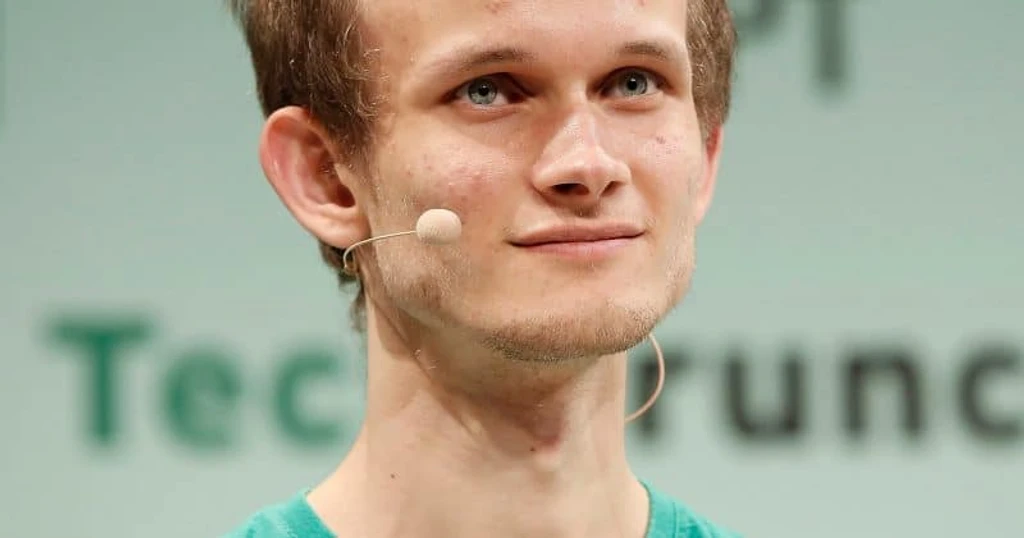
Ethereum co-founder Vitalik Buterin has unveiled a major multi-year rebuild plan called the "Lean Ethereum" roadmap. He described it as the most significant redesign for the network since its transition to proof-of-stake in September 2022.
The full implementation is expected to take three to four years. The plan, developed with Ethereum Foundation researcher Justin Drake, targets three core problems: simplification, privacy, and quantum resistance. Post-quantum cryptographic signatures are targeted for completion by 2029.
The technical overhaul includes replacing quantum-vulnerable components with a recursive STARK-based verification system. A new multidimensional gas pricing system will allow the network to price different computational resources independently.
By 2030, Ethereum is projected to handle 2 TB of dynamic state and support a 100 TB state model to better serve ERC-20 tokens, NFTs, and DeFi applications. The roadmap also explores moving beyond the Ethereum Virtual Machine, considering alternatives like RISC-V or a custom architecture called leanISA.
This marks Ethereum's third major iteration following its 2015 launch and the 2022 Merge. The Ethereum Foundation recently cut its budget by approximately 40% and reduced its workforce by about 20%, or 54 jobs, in June 2026.
For investors, the incremental milestones provide predictable checkpoints. The projected state capacity increases have competitive implications for alternative Layer 1 blockchains. A key risk is the potential migration away from the EVM, which could introduce friction for developers.