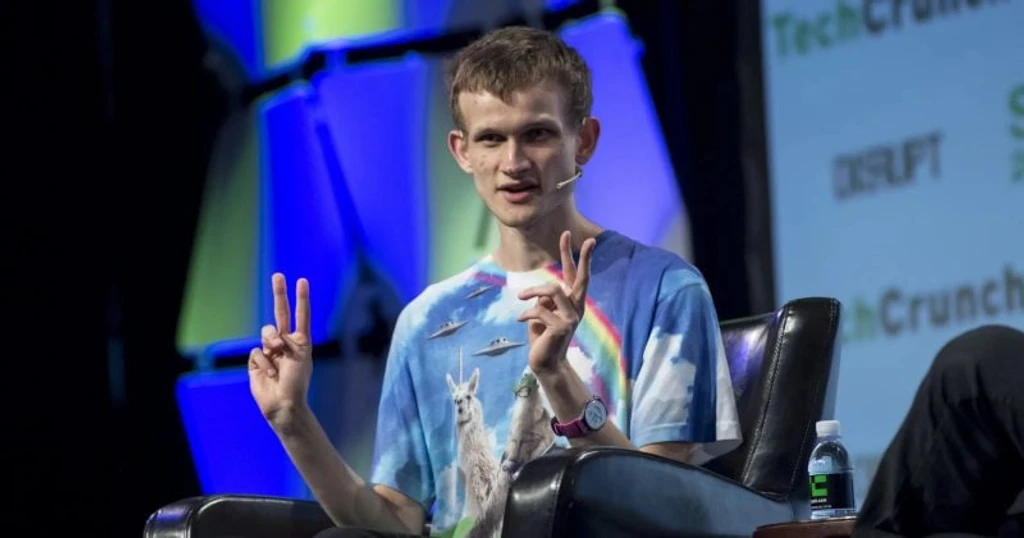
Vitalik Buterin announced the Ethereum Foundation will restructure into a smaller, more focused organization, stepping back from its role as the center of the Ethereum ecosystem.
In a lengthy post on X, the Ethereum cofounder said the foundation should operate as one node among many, directing its limited resources exclusively toward projects that wouldn't happen otherwise.
The announcement follows a wave of high-profile departures, including Carl Beek, Julian Ma, Barnabé Monnot, Tim Beiko, Trent Van Epps, and Alex Stokes.
Buterin emphasized the foundation is prioritizing longevity over breadth, focusing on Ethereum's long-term role as a censorship-resistant, open, private, and secure system. This shift may push some respected teams and contributors outside the foundation to attract outside capital.
He acknowledged criticism that the foundation's actions didn't always reflect Ethereum's ideals around decentralization and privacy, comparing the situation to large tech companies that drifted from their original missions.
Buterin argued Ethereum should not compete on raw speed or throughput but instead excel in formal verification, resilient consensus, privacy, and user sovereignty. He said the network should push toward provably bug-free systems and reduce reliance on intermediaries.
The Ethereum Foundation holds about 0.16% of all ETH, far less than foundations behind other blockchains. Buterin noted the foundation was created to complete a defined technical scope effectively finished in 2022, not to remain Ethereum's permanent steward.
He said ETH remains Ethereum's most financially valuable product, securing about $250 billion, and that the foundation's transition should stabilize over the next few months as his own influence decreases and the board expands.