
A critical boundary in technology is dissolving. For years, AI systems answered questions and generated content but remained locked out of direct economic activity. Humans were the essential link for any financial transaction.
Now, agentic AI is changing that. These systems go beyond simple chat responses, setting goals, using tools, and executing complex tasks. The key enabler is their connection to crypto wallets.
An AI agent can now monitor a decentralized finance portfolio, identify yield opportunities, or settle payments for digital services, all while the user sleeps. The impact moves far beyond simple price queries. These agents can prepare complex swap transactions, calculate gas costs, and suggest optimal execution times for human approval.
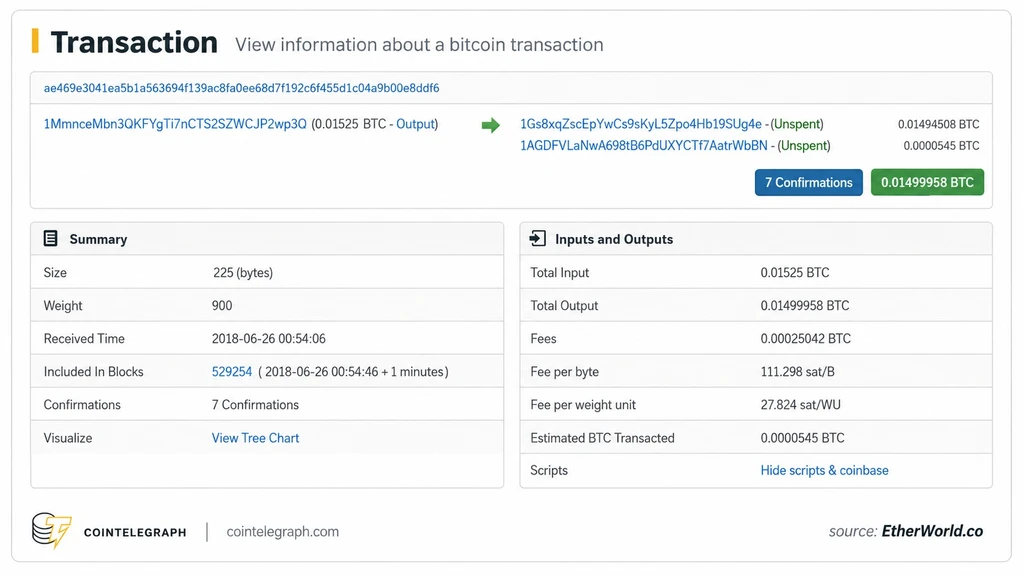
This human-in-the-loop approach is gaining favor, but the infrastructure for bounded autonomy is already being laid. Unlike traditional banking, which requires identity and operates on limited hours, blockchain networks are borderless, always on, and programmable by design. They provide a natural financial layer for software.
Developers are now building specialized agent wallets. These are not standard accounts handed to an AI. They feature programmed safeguards: hard spending caps, transaction whitelists for pre-approved counterparties, time-based restrictions, and multi-signature mandates requiring human confirmation for significant moves.
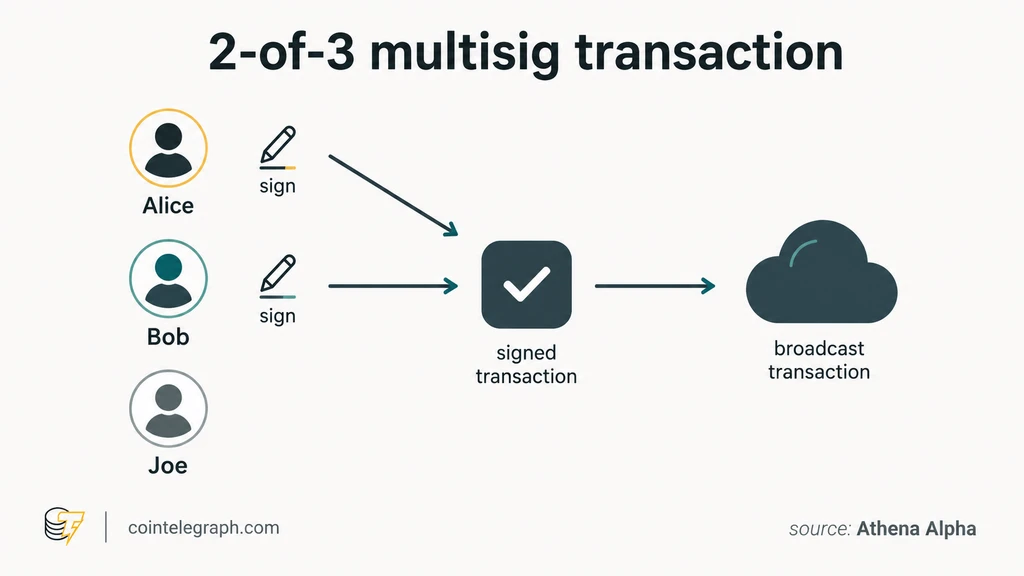
Trust remains the central challenge. An AI claiming a transaction was completed correctly is insufficient. The industry is responding with blockchain-based verification tools to create cryptographic records of every agent action, condition, and outcome.
New risks accompany this power. Prompt injection attacks, where hidden malicious commands redirect an agent, become a primary security concern. The psychological danger of automation complacency is equally real; as agents appear more capable, users could approve suggestions without proper review.
The immediate future is not unlimited robot traders, but rather a model resembling a junior financial assistant. Humans will define goals and set boundaries. Agents will execute routine tasks within those fixed limits, handling recurring purchases, treasury allocations, and operational workflows under constant, structured oversight.