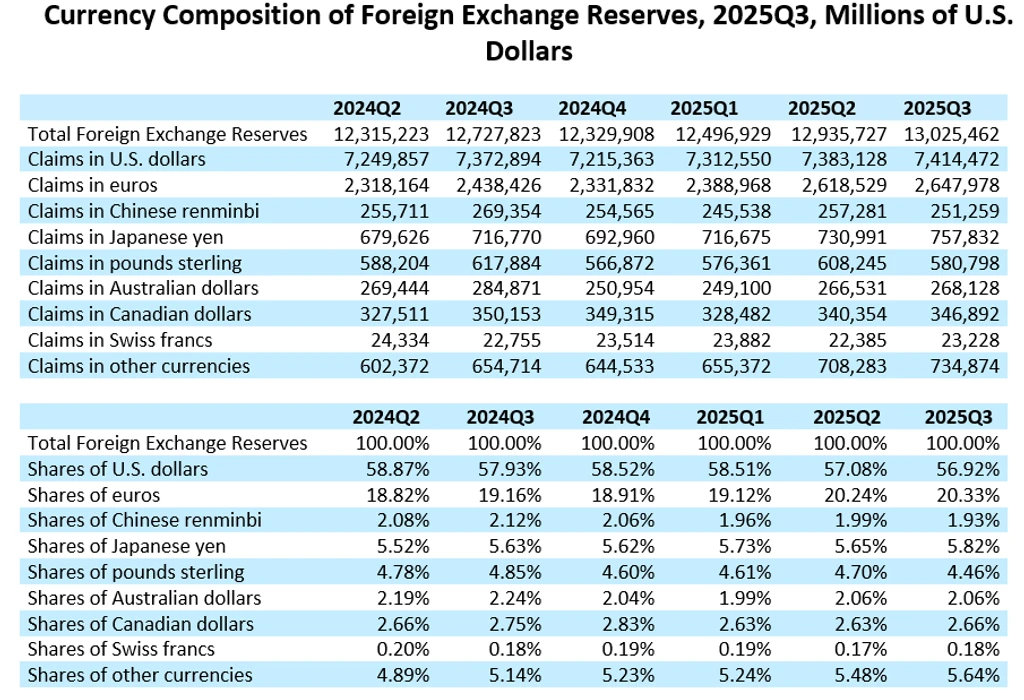
Japan is positioning its financial system for a future dominated by stablecoins and tokenized assets, with major banks, regulators, and financial conglomerates actively working to bring the yen economy onto the blockchain. As the world's fourth-largest economy, the yen holds significant global financial importance, ranking third in foreign exchange reserves according to the IMF.
Despite the yen's systemic importance, its presence in the blockchain economy has been limited. However, this is set to change as Japan, like the US, aims to become a global Web3 hub. Achieving this vision hinges on stablecoins that can facilitate the yen's on-chain integration.
Japan's ruling Liberal Democratic Party, under Prime Minister Sanae Takaichi, has released a Web3 white paper outlining immediate priorities, including income tax reform for individuals and the development of stablecoins and security tokens. This aligns with the strategies of major financial players like SBI Group, led by Yoshitaka Kitao, which is developing infrastructure for institutional trading of tokenized assets.

A key driver for this digital shift is the yen carry trade, a strategy leveraging Japan's low interest rates. A yen-backed stablecoin could extend this trade onto blockchain markets, enabling global investors to borrow yen at low rates on-chain and deploy them into decentralized finance for yield-generating strategies. Startale Group recently unveiled its yen-backed stablecoin, JPYSC, targeting a second-quarter launch to facilitate this on-chain carry trade.
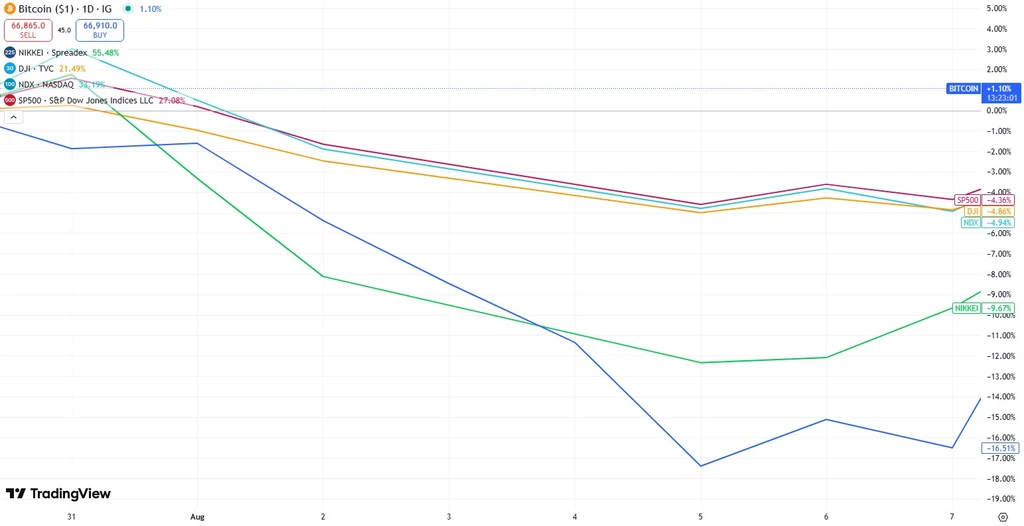
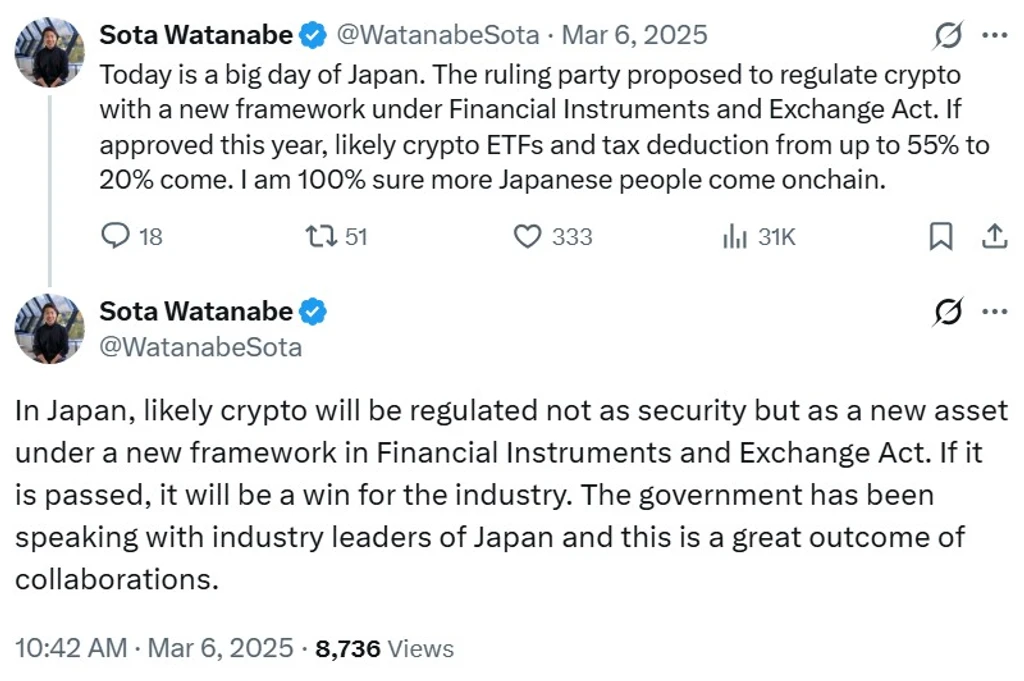
While major Japanese banks like Mitsubishi UFJ, Sumitomo Mitsui Banking Corporation, and Mizuho are also reportedly exploring a joint yen-pegged stablecoin, retail adoption in Japan remains subdued, largely due to high crypto taxes. Reforms are anticipated to reclassify crypto, potentially lowering taxes and enabling ETFs, but the pace of change is a concern for industry leaders aiming to keep pace with global advancements.