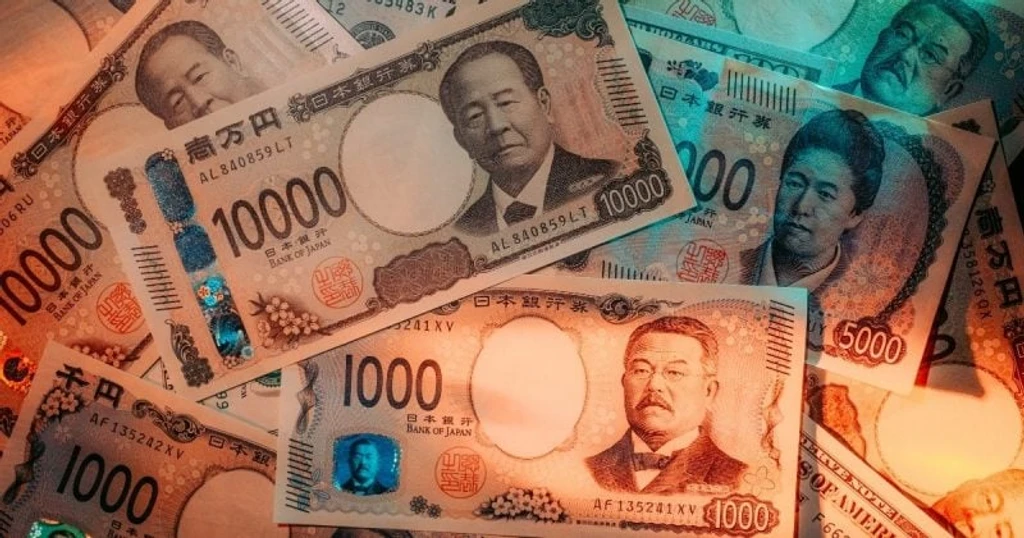
Hedge funds have accumulated the most bearish position on the Japanese yen in nearly two decades. Data from the Commodity Futures Trading Commission shows net short contracts on the yen have surged to approximately 146,000, a level not seen since 2007.
The currency itself has depreciated to a multi-decade low, recently trading beyond 162 against the U.S. dollar. This is its weakest point since 1986. The primary driver is the significant gap between higher U.S. yields and near-zero Japanese rates, making dollar assets more attractive.
This dynamic fuels the yen carry trade, a major strategy where investors borrow cheaply in yen to invest in higher-yielding global assets like U.S. Treasuries and equities. The current extreme positioning makes markets vulnerable if the trade reverses sharply.
For Japan, a weak yen exacerbates inflation by making energy and food imports more expensive. While raising rates could strengthen the currency, it would increase the government's massive debt servicing costs, creating a difficult policy dilemma.
Projections suggest the yen could weaken further, with some forecasts targeting 165 within a year. This trend generally supports risk assets. However, an unexpected policy shift from the Bank of Japan could trigger a rapid unwind of these large speculative bets, impacting global liquidity.