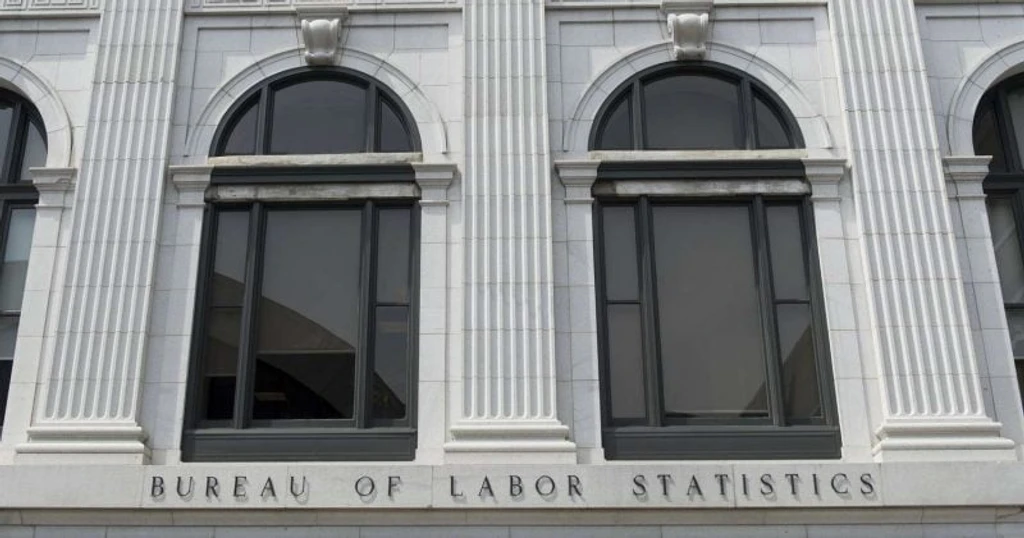
The U.S. labor market presents a paradox. While nonfarm payrolls surged by 172,000 in May, beating consensus forecasts, a hidden layer of slack is expanding. The Bureau of Labor Statistics reports that 6.2 million Americans want a job but are not actively searching, an increase of 76,000 from April.
To be classified as unemployed, individuals must actively seek work. These 6.2 million people fall outside that definition, keeping the official unemployment rate steady at 4.3 percent and the participation rate flat at 61.8 percent. Within this group, 1.7 million are marginally attached, having looked for work in the past year but not the last four weeks.
This distinction matters for monetary policy. A headline unemployment rate of 4.3 percent suggests a tight market, potentially discouraging the Federal Reserve from cutting interest rates. Strong payroll growth reinforces this hawkish stance.
For investors, prolonged higher rates boost the appeal of yield-bearing assets like Treasury bonds. Conversely, risk assets face headwinds. Analysts note that reduced expectations for near-term rate cuts may trigger selling pressure on cryptocurrencies such as Bitcoin and Ethereum.