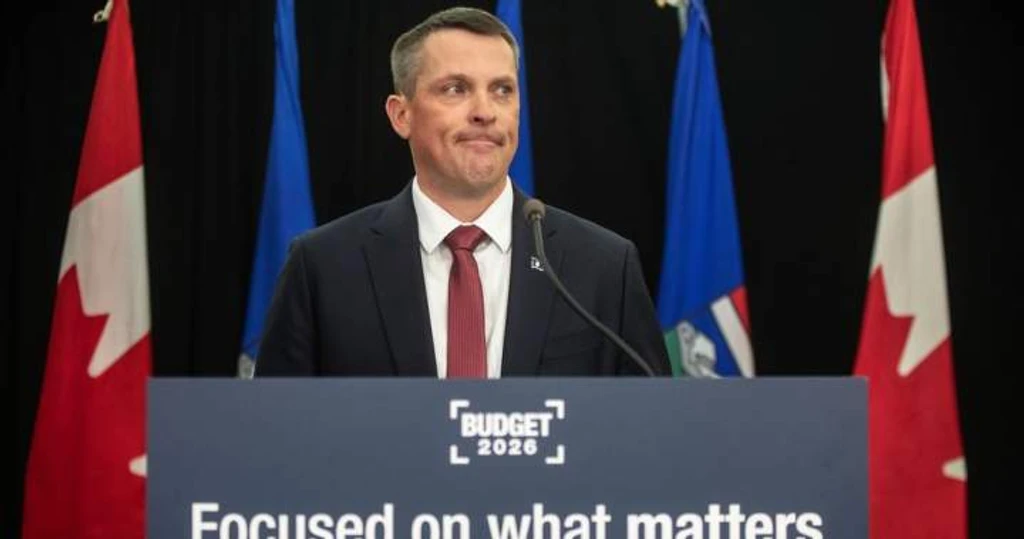
Alberta's Finance Minister Nate Horner is prompting a critical look at the province's tax structure, questioning its efficiency as the 2026 budget forecasts a substantial $9.4 billion deficit.
Horner highlighted the challenge of relying primarily on personal and corporate income taxes, especially with fluctuating oil revenues and rising demand for services. The budget projects West Texas Intermediate crude averaging $60.50 a barrel, insufficient to balance the books, with deficits expected to continue for two more fiscal years.

While income tax rates remain unchanged, Albertans will see increased costs through various fees and adjustments to the education property tax. The province also notes that its current tax system saves businesses and individuals approximately $17 billion annually compared to other provinces.
Economists suggest a sales tax could provide crucial stability, though it would be politically challenging to implement. Experts also point out that while a sales tax is unpopular, a government introducing one would face significant backlash, even if it secures long-term fiscal stability.
The budget faces criticism from the Opposition NDP for alleged economic mismanagement and debt accumulation. Reactions from mayors and association leaders vary, with concerns raised about property taxes and healthcare spending, while the budget itself breaches a legislated deficit threshold.