Africa's leading economies, Nigeria and South Africa, are spearheading a significant increase in demand for stablecoins, according to a recent survey. These nations exhibit the highest optimism regarding the potential of stablecoins, with a strong desire for wider acceptance.
Stablecoins offer a promising alternative for faster and more affordable money transfers in developing countries. However, their prevalent peg to the U.S. dollar raises concerns about potential dollarization and capital flight.
The "Stablecoin Utility Report," which surveyed over 4,650 individuals across 15 nations, found that over half of participants increased their stablecoin holdings in the past year, with developing economies showing the most pronounced trends.
In Nigeria and South Africa, nearly 80 percent of respondents already hold stablecoins, and over 75 percent intend to expand their holdings. Among non-holders, the inclination to adopt stablecoins is twice as high in lower and middle-income economies compared to high-income ones. Notably, 95 percent of Nigerian respondents expressed a preference for receiving payments in stablecoins over the Naira.
Chris Harmse, co-founder of BVNK, noted, "People are already getting paid and spending stablecoins, especially where traditional payments are slow, expensive, or unreliable." He added that users are "asking for greater integration into their existing financial tools."
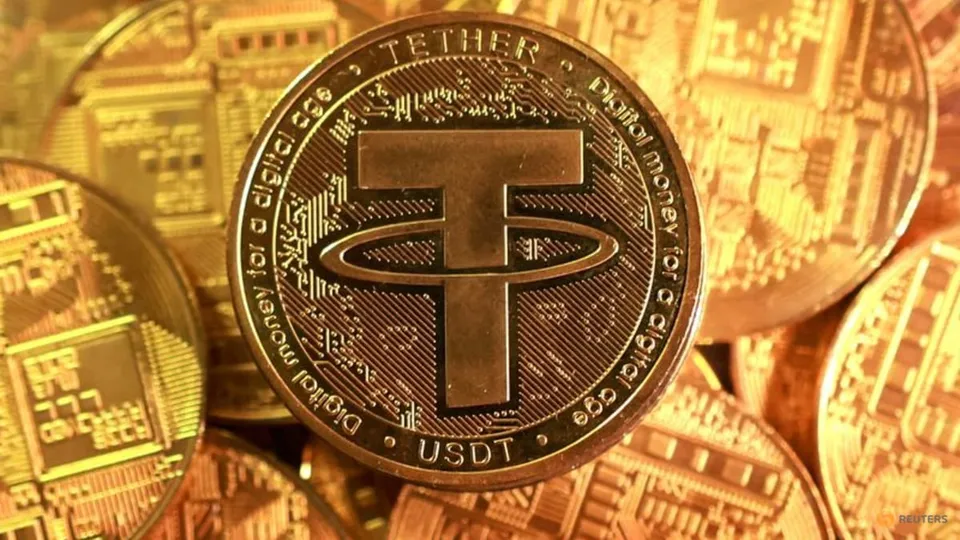
The global stablecoin market, valued at over $310 billion, is primarily composed of U.S.-dollar-pegged tokens like Tether and USDC. Future market expansion is anticipated, partly due to upcoming U.S. regulatory developments.
Despite these trends, central banks in emerging economies remain cautious. They fear stablecoins could deplete domestic bank deposits, disrupt monetary policy, and facilitate capital flight. However, potential benefits, such as addressing high remittance fees, are also acknowledged. The survey also identified limited acceptance of stablecoins for everyday purchases as a barrier to broader adoption.