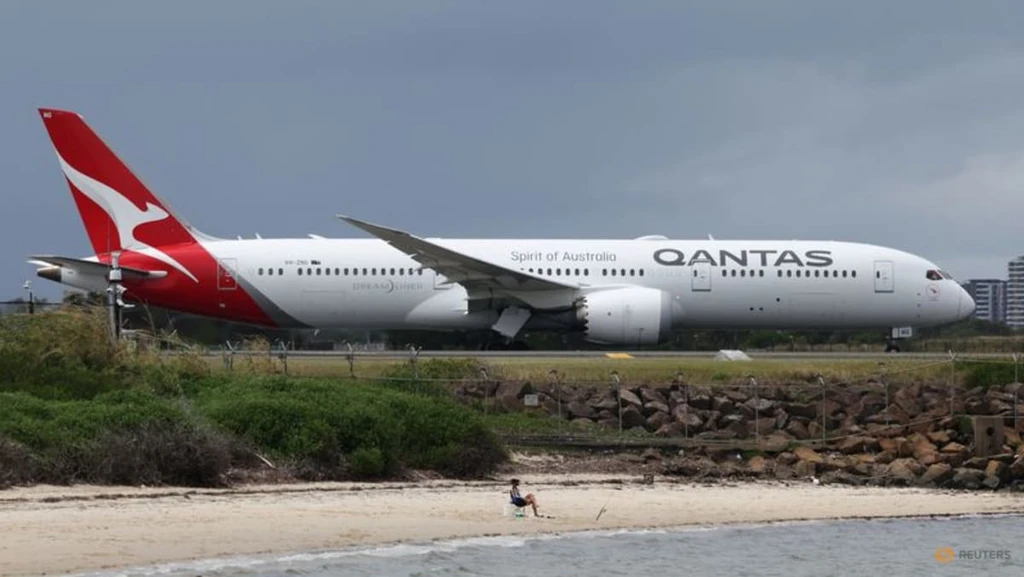
Australia's Qantas airline group anticipates a significant cost increase, potentially reaching A$800 million (US$570 million) in the latter half of this year. The surge is attributed to volatile jet fuel prices, which have more than doubled due to ongoing conflict in the Middle East.
Qantas now forecasts its jet fuel costs for the second half of 2026 to range between A$3.1 billion and A$3.3 billion, an upward revision from its prior estimate of A$2.5 billion. The airline is actively engaged with the Australian government and fuel suppliers to ensure supply stability through May.
Despite the fuel cost challenges, Qantas is experiencing increased demand for travel to Europe, as passengers reroute to avoid Middle East conflict zones. In response, the airline is reallocating capacity from its U.S. and domestic networks to enhance services to Paris and Rome. This shift is expected to boost unit revenue on international routes by 4 to 6 percent year-on-year in the second half of 2026, doubling previous projections. Domestic revenue is also projected to rise by approximately 5 percent, up from an earlier forecast of 3 percent.
The airline group continues to monitor the dynamic fuel market closely and may implement further strategies to mitigate rising fuel expenses over time.