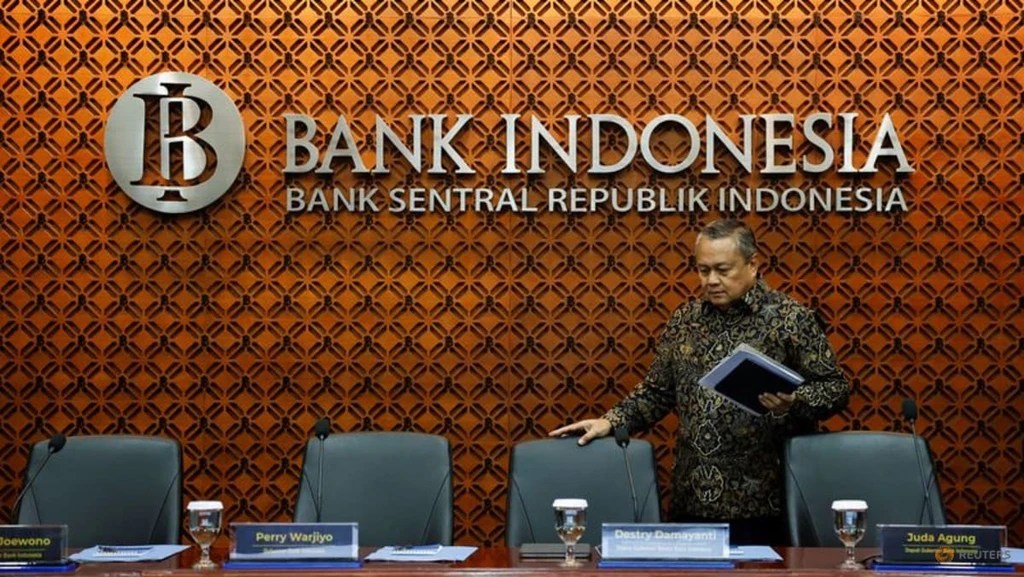
Bank Indonesia (BI) is poised to hold its key policy rate at 4.75% on Wednesday, a decision echoed by all 31 economists surveyed by Reuters. Many have revised their outlook, now anticipating fewer rate cuts this year due to inflation risks exacerbated by the Iran conflict and pressure on the rupiah.
Previously signaling potential easing, BI shifted its stance in March as the conflict escalated. With inflation at 3.48% in March-near the upper limit of BI's target range-and the rupiah depreciating, the central bank faces limited room for policy adjustments. All economists polled expect the benchmark seven-day reverse repurchase rate to remain at 4.75%, with overnight deposit and lending facility rates also steady.
Expectations for rate cuts this year have largely diminished. A majority of economists now forecast no change in rates for the second quarter, a stark reversal from previous predictions of one or two cuts. Factors contributing to this outlook include capital outflows pressuring the rupiah, rising inflation expectations, and increased government bond yields stemming from geopolitical tensions. The U.S. Federal Reserve's anticipated stable rate policy further influences this, as higher U.S. rates can divert capital from emerging markets like Indonesia.
Looking ahead, over 60% of economists expect BI to maintain current rates throughout the year. Forecasts for inflation this year have been revised upwards to 3.0% from 2.7%. The government may require significant additional funds for energy subsidies to mitigate price pressures. Some economists warn that a fuel price hike could push inflation to 5%, potentially prompting BI to consider rate hikes despite projected economic growth of around 5%.